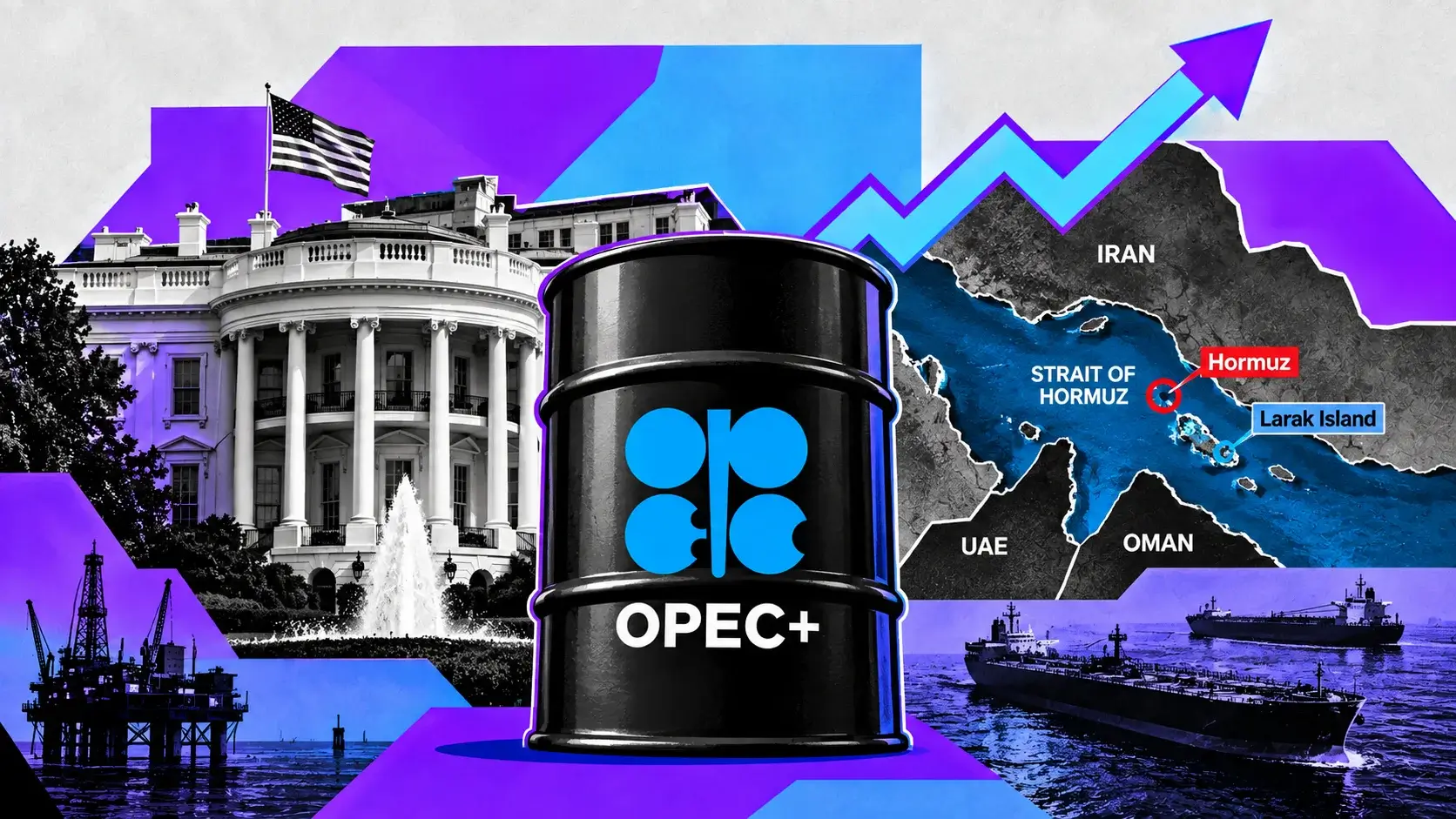
Global Oil Dynamics as US Exports Soar, India's Demand Surges, and Russia Tightens Grip Amid Volatile Prices and Economic Headwinds
Oil Market in Flux as Exports, Demand, and Geopolitics Forge New Pathways for Industry Growth
Oil prices settled lower last Friday, with Brent crude down 1.2% to $74.99 and West Texas Intermediate U.S. crude futures falling 1% to $69.26 a barrel. These declines were attributed to European banking shares falling and comments from U.S. Energy Secretary Jennifer Granholm that refilling the country's Strategic Petroleum Reserve (SPR) may take several years, dampening demand prospects (The New York Times).
Despite these setbacks, both benchmarks experienced weekly increases as banking sector turmoil eased. Brent futures rose 2.8%, and U.S. crude futures climbed 3.8% (Reuters). John Kilduff, a partner at Again Capital LLC in New York, noted that oil prices have developed a newfound correlation with equities, which is currently riding along macroeconomic headwinds.
While oil prices remain volatile, investors found bullish signals this week, with U.S. exports of crude and refined products surging to a record 12 million barrels a day, suggesting a rosier demand outlook (Wall Street Journal). Additionally, Russia announced plans to extend its 500,000-barrel-a-day crude output cut through June, providing further support to oil prices (Financial Times).
In Asia, India's crude oil imports rose about 8% in February compared to a year earlier, as fuel demand reached its highest level in over two decades (Indian Government Data). This surge in demand, combined with a robust Indian economy, is expected to result in higher refinery runs and imports, particularly with the onset of warmer temperatures and increased travel (Refinitiv). India's crude imports are expected to recover further in the coming months, according to UBS analyst Giovanni Staunovo.
On the supply side, Russia tightened its grip on India's oil market in February, leading to the lowest level of African crude oil imports in India in at least 22 years (Reuters). In response to this shift, Indian Oil Corp, the country's top refiner, will reduce its yearly oil purchase from Kuwait by 20% starting in April and increase its term crude volume with Iraq's Oil Marketing Company (SOMO) by 20,000 bpd (Bloomberg).
In summary, while oil prices experienced a temporary dip last Friday, factors such as easing banking sector turmoil, increased U.S. exports, and strong demand from China and India paint a more optimistic outlook for the global oil market in the coming months. However, it is important to remain vigilant for potential macroeconomic headwinds and geopolitical developments that could impact oil prices and demand.
Read More
-
Yen Stalls at 160 Despite a 3% JGB and Tokyo Core CPI at 2.0% — Intervention Sits at 164, Friday's Payrolls Decide
02.09.2026 · TradingNEWS ArchiveEnergy
-
VOO ETF at $705 as Record $13B Weekly Inflows Absorb the Rate Shock — $700 Floor Guards the Path to a New High
28.09.2026 · TradingNEWS ArchiveStocks
-
XRPR and XRPI Ride XRP's $1.50 Test as Bitwise Takes 78% of a $75.59M Week — October 1 Escrow and Bitget Hack Supply Cap the Upside
28.09.2026 · TradingNEWS ArchiveCrypto
-
Henry Hub ($3.11) Pulls Back From 13-Week High as 112.8 Bcf/d Output Meets Record LNG Pull — $3.10 Pivot Guards the Path to $3.529
28.09.2026 · TradingNEWS ArchiveCommodities
-
Dollar-Yen Trapped Between Carry and Intervention — 159.03 High Marks Where Tokyo Pushed Back Last Week
28.09.2026 · TradingNEWS ArchiveForex