Jamie Dimon's Unveils Powerful Insights on Global Challenges
JP Morgan CEO's Letter to Shareholders Reveals Key Lessons for Thriving Amid Uncertainty and Risk
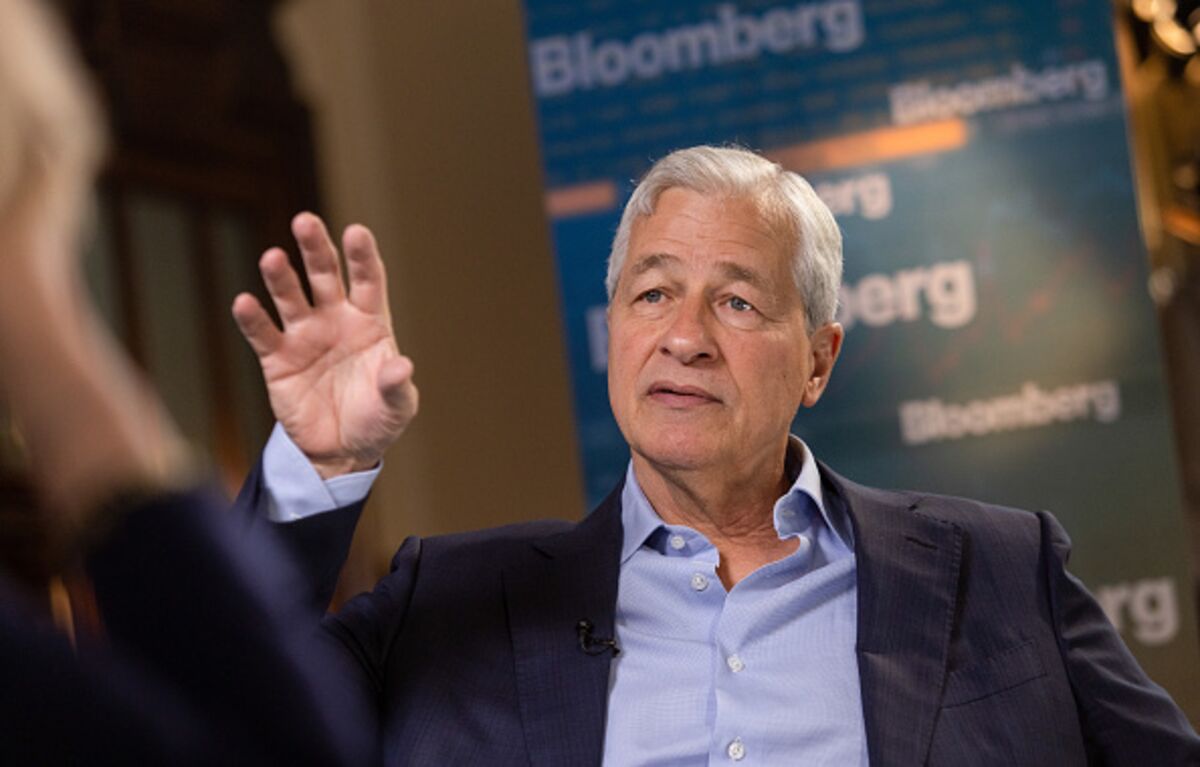
As the CEO of JP Morgan Chase Bank, Jamie Dimon is no stranger to the financial industry and its challenges. In his recent letter to shareholders, Dimon discussed the state of the global economy and highlighted potential risks and opportunities. His insights offer valuable lessons for businesses, governments, and individuals alike.
The Unusual Year of 2022
Dimon began by highlighting the unusual nature of 2022, marked by the Ukraine war, soaring inflation, rapid rate hikes by the Federal Reserve, and an unprecedented 3.4% unemployment rate in the United States. Despite these challenges, the US economy showed a strong recovery in the latter half of the year. However, Dimon cautioned that the storm clouds cannot be ignored.
Ten Key Takeaways from Dimon's Letter
-
Consumer spending has remained robust, driven by higher wages at the lower end of the spectrum. However, a slowdown in spending due to uncertainties, like the crises at SVB, Signature Bank, and Credit Suisse, could have broader macroeconomic consequences.
-
The lag effect of fiscal stimulus persists, making inflation harder to contain. Deficits are expected to remain high, contributing to continued quantitative easing.
-
Quantitative tightening, which began in June 2022, is expected to continue for some time, prolonging inflationary pressures.
-
The Ukraine war has had profound consequences for European economies, global energy and food supplies, and economically vulnerable populations.
-
Rising interest rates can have significant impacts on venture capital, real estate development, and carry trade. Dimon expects these effects to intensify.
-
The US may not experience a recession as some experts predict, thanks to the ongoing shift from quantitative easing to quantitative tightening.
-
The current regulatory regime failed to prevent the failures of SVB and Signature Bank, highlighting the need for a careful review of existing policies.
-
Markets must be prepared for increased volatility, driven by quantitative tightening, rising interest rates, and persistent consumer spending.
-
Supply chains will need to be revamped, prioritizing domestic production and diversifying suppliers to reduce dependency on countries like China.
-
Future risks to the banking sector and global markets may come from geopolitical events, cyber-attacks, digital infrastructure failures, and dysfunctional markets.
The Importance of Risk Management
Dimon's letter emphasizes that the key differentiator for banks and businesses in the coming years will be effective risk management. As the global economy navigates an increasingly complex landscape, the ability to assess and manage risk will be critical to success.
Read More
-
Yen Stalls at 160 Despite a 3% JGB and Tokyo Core CPI at 2.0% — Intervention Sits at 164, Friday's Payrolls Decide
02.09.2026 · TradingNEWS ArchiveEnergy
-
Dell Rebounds to $565.86 as a $95 Billion AI Backlog Meets 22x Forward Earnings — $595 High in Sight
25.09.2026 · TradingNEWS ArchiveStocks
-
XRP-USD ($1.53) Outperforms as ETF Inflows Return, but August Buyers Guard $1.60 — $1.70 Upside vs. $1.25 Floor
25.09.2026 · TradingNEWS ArchiveCrypto
-
Brent Holds $105 While WTI Heads for a 7% Weekly Loss as a 3M-Barrel Build and a Diesel Ban Threat Split the Market
25.09.2026 · TradingNEWS ArchiveCommodities
-
S&P 500 Gains 0.22%, Nasdaq Tops 27,000, Dow Up 0.40% on MSFT Launch and AKAM Deal
25.09.2026 · TradingNEWS ArchiveMarkets
-
Sterling Slides to 1.3216 as a Divided Bank of England Trails the Fed — 1.3424 Upside vs. 1.3000 Risk
25.09.2026 · TradingNEWS ArchiveForex