Oil Prices: Demand Optimism and Supply Concerns Fuel Upward Momentum
Demand Optimism and Supply Constraints in Boosting Oil Prices
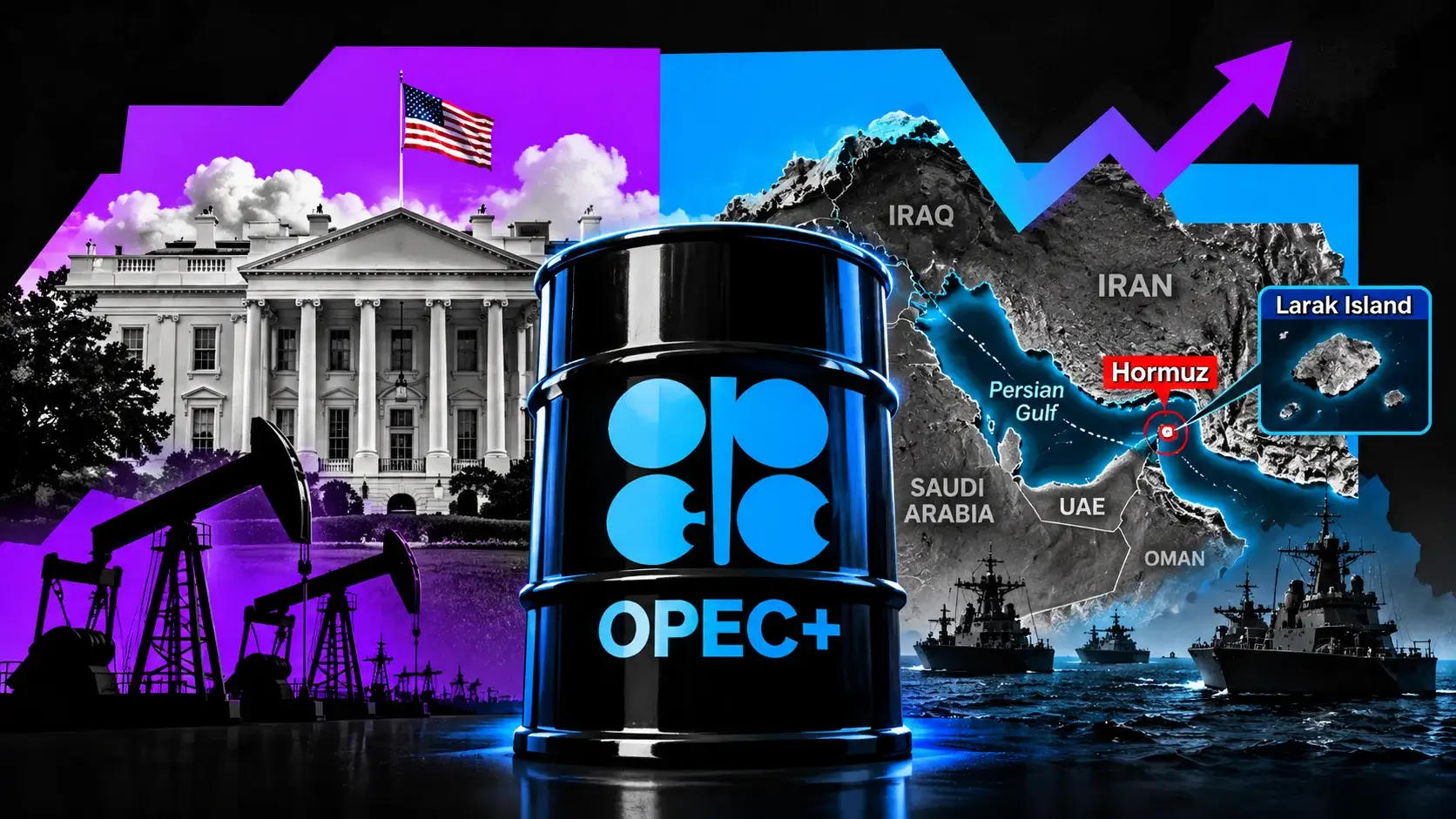
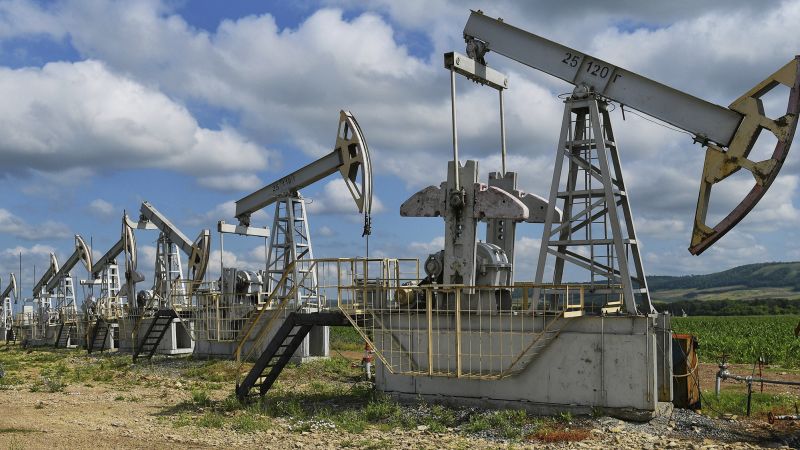
Oil prices surged by 1% on Monday, driven by a combination of factors including a rise in U.S. gasoline futures, positive forecasts for oil demand in the second half of the year, and recent declines in supplies from Canada and OPEC+. However, the market remained cautious due to a stronger dollar and ongoing U.S. debt ceiling talks.
Brent futures for July delivery climbed by 0.5% to settle at $75.99 a barrel, while U.S. West Texas Intermediate (WTI) crude for June delivery rose by 0.6% to settle at $71.99 per barrel. U.S. gasoline futures experienced the most significant price movement, soaring by 2.8% to reach a one-month high of $2.6489 per gallon.
One of the key drivers behind the uptick in oil prices was the approach of the Memorial Day holiday in the United States, which marks the start of the peak summer driving season. Analysts at energy consulting firm Ritterbusch and Associates noted that gasoline played a crucial role in driving the upside momentum in oil prices.
While the market observed positive demand indicators and supply constraints, there were a few factors that kept prices in check. The stronger dollar, which remained near a two-month high, weighed on oil demand by making it more expensive for holders of other currencies. Additionally, market participants were eagerly awaiting news on the U.S. debt ceiling talks, as any potential default could have significant repercussions for the economy and oil demand.
The International Energy Agency (IEA) warned of a potential oil shortage in the second half of the year, projecting that demand could surpass supply by nearly 2 million barrels per day (bpd). Vitol, a senior executive at a major energy company, highlighted Asia as the leading driver of oil demand growth, potentially resulting in supply shortages and subsequent price increases.
Supply dynamics played a crucial role in shaping market sentiment. The recent wildfires in Alberta, Canada, led to a temporary shutdown of significant crude oil supplies, contributing to the rise in oil prices. Furthermore, the voluntary production cuts implemented by OPEC+ started to impact the market, with oil production in Iraq's Kurdistan region continuing to decline and exports to Turkey's Ceyhan port showing little signs of restarting after a two-month stoppage. Total exports of crude and oil products from OPEC+ countries plunged by 1.7 million bpd by May 16, with expectations of further decline in Russian oil exports by late May.
Geopolitical tensions also influenced market dynamics. The Group of Seven (G7) nations pledged to enhance efforts to counter Russia's evasion of price caps on its oil and fuel exports, which upset China, the world's largest oil importer. The G7's focus on issues like Taiwan, nuclear arms, economic coercion, and human rights abuses drew criticism from China, labeling it an "anti-China workshop."
In terms of market sentiment and macroeconomic factors, the ongoing U.S. debt ceiling talks created uncertainty and cautiousness among investors. The potential consequences of a U.S. default and the impact on oil demand weighed on market sentiment. Moreover, the strength of the U.S. dollar and the Federal Reserve's stance on interest rates were key considerations. However, experts noted that the likelihood of a full-scale economic crisis or default was unlikely, as a new debt ceiling agreement was expected to be reached. Furthermore, global economic conditions remained largely positive, with emerging markets like the Middle East and India displaying strength.
While some indicators painted a bearish picture, there were compelling reasons to consider a potential bull market. The physical oil market demonstrated positive signs of rising demand, with increased air travel, robust refinery utilization, and strong gasoline and diesel demand in the United States and other regions. Analysts cautioned that fuel storage levels were below seasonal norms, and industry participants refrained from hedging against potential price drops.
Looking ahead, several factors could contribute to a shift in market sentiment towards a more bullish outlook. Continued declines in inventories, potential production cuts by oil producers if prices drop below a certain threshold, and the resolution of the U.S. debt ceiling issue could fuel optimism. Addressing underinvestment in the oil and gas sector was emphasized as critical to market stability and growth. However, risks remained, including the ongoing curtailment of Russian oil production due to Western sanctions.
In conclusion, oil prices experienced an upward trend driven by positive demand forecasts and supply constraints. While market caution and uncertainties prevailed, signs of a potential bull market emerged. Monitoring demand trends, supply dynamics, geopolitical developments, and policy decisions will be crucial for investors and market participants in navigating the oil market in the coming months.
Disclaimer: The information provided in this article is for informational purposes only and should not be construed as financial or investment advice. Trading News recommends readers to conduct their own research and consult with a qualified financial advisor before making any investment decisions.
Read More
-
Yen Stalls at 160 Despite a 3% JGB and Tokyo Core CPI at 2.0% — Intervention Sits at 164, Friday's Payrolls Decide
02.09.2026 · TradingNEWS ArchiveEnergy
-
SCHD ETF at $33 Is the Best-Performing Dividend ETF of the Year and the Most Exposed to a Hiking Fed
29.09.2026 · TradingNEWS ArchiveStocks
-
XRP ETFs Are the Steadiest Altcoin Bid in the Market and the Smallest Relative to Their Asset
29.09.2026 · TradingNEWS ArchiveCrypto
-
Henry Hub at $3.05 Prices Out a 3-Day Pipeline Outage as the Storage Surplus Shrinks From 198 Bcf to 80
29.09.2026 · TradingNEWS ArchiveCommodities
-
Dollar-Yen at 157.45 Trades the Midpoint Between a Rate Differential That Says 165 and a Reaction Function That Says 155
29.09.2026 · TradingNEWS ArchiveForex