




Oil Prices Slide Amid Rising U.S. Crude Inventories and Rate Concerns
Market Awaits OPEC+ Meeting as Crude Prices Remain Under Pressure | That's TradingNEWS
Oil Prices Decline for Third Straight Session
Crude oil futures have fallen for a third consecutive session, continuing this week's losing streak. West Texas Intermediate (WTI) for July delivery decreased by 62 cents, or 0.79%, to $78.01 a barrel. Brent crude futures for July dropped by 76 cents, or 0.92%, to $81.12 a barrel. Year-to-date, U.S. crude oil has gained 8.8%, while Brent has risen 6.6%.
Rising U.S. Crude Inventories
U.S. commercial crude oil stockpiles saw an unexpected build of 1.8 million barrels last week, according to the Energy Information Administration (EIA). Analysts had expected a decrease of 2.5 million barrels. Gasoline stockpiles fell by 910,000 barrels, exceeding the expected drop of 729,000 barrels. Refinery processing rates increased to 91.7%, up 1.3%, indicating robust operational activity despite the stockpile build.
Impact on Gulf Economies
Oil prices significantly impact Gulf economies, influencing their stock markets. Brent futures fell 1.36% to $81.75 per barrel, leading to declines across several Gulf stock indices. Abu Dhabi’s benchmark stock index dropped 0.4%, with Aldar Properties and Alpha Dhabi Holding falling 2.3% and 2.6%, respectively. Dubai’s index slipped 0.3%, with finance, real estate, and industry sectors all declining. Qatar's index edged lower by 0.1%, led by United Development Co's 1.3% fall and Qatar Navigation's 1.1% decline. Saudi Arabia's market remained mostly flat, with notable movements including Etihad Etisalat and Saudi Electricity both dropping over 2%, while ACWA Power and Savola Group recorded gains.
Anticipating the Federal Reserve's Next Move
Investors are closely watching the Federal Reserve's upcoming policy meeting minutes for clues on the timing of potential rate cuts. Fed officials have indicated that they might wait a few more months before considering rate cuts to ensure inflation is on a downward trajectory. Given that most Gulf currencies are pegged to the dollar, changes in U.S. monetary policy are likely to be mirrored by Saudi Arabia, the UAE, and Qatar, significantly influencing their markets.
OPEC+ Meeting and Production Policy
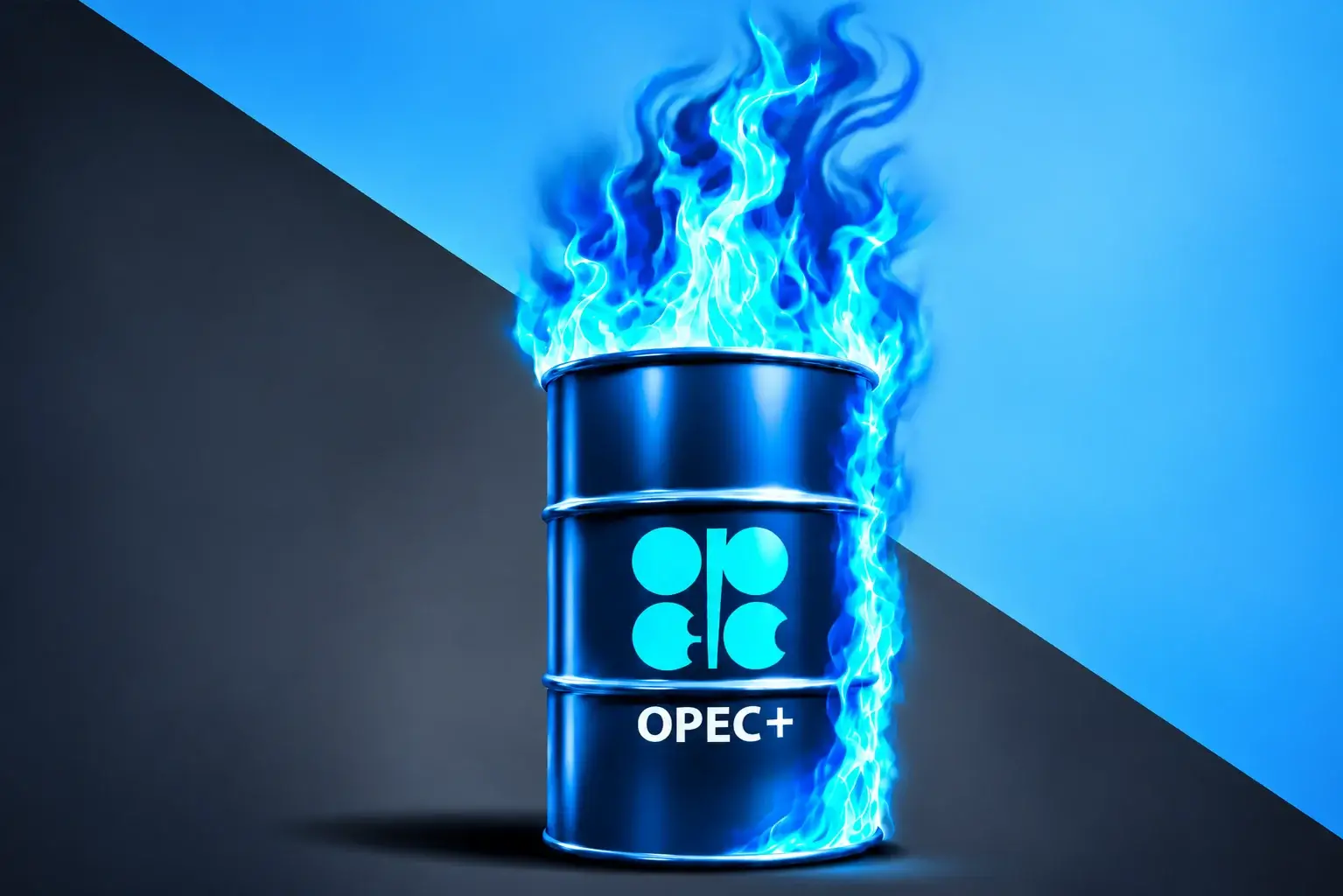
OPEC and its allies, led by Russia, are set to hold a crucial meeting to review production policy. The broader OPEC+ coalition, which is currently cutting 2.2 million barrels per day, is likely to extend these cuts to support prices amid the current market softness. Analysts suggest that these production cuts have been instrumental in maintaining oil prices this year.
Geopolitical and Economic Factors
Oil prices are also influenced by broader geopolitical and economic factors. The perception of weakening demand, driven by high interest rates and inflation, continues to weigh on prices. Rising refinery capacity has not been matched by an expected increase in demand, particularly as consumers feel the pressure from inflation and higher interest rates. This sentiment is echoed by analysts like Ole Hansen of Saxo Bank, who noted that the lack of rising demand despite increased capacity is keeping prices in check.
The Role of Interest Rates
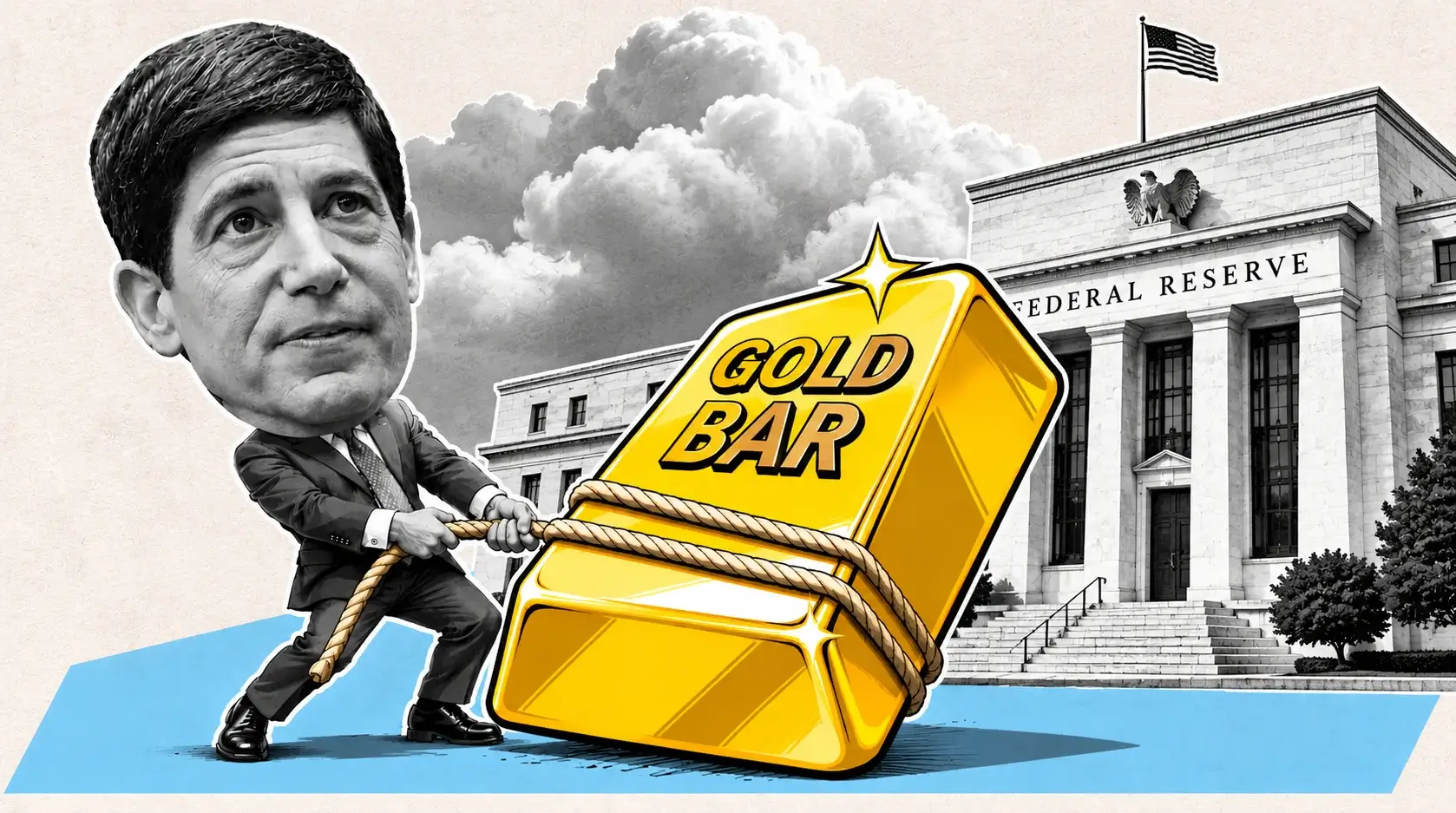
Interest rates have become a central focus for analysts when explaining oil price movements. Higher rates, intended to tame inflation, have not been entirely successful, and central banks like the Federal Reserve and the European Central Bank are cautious about cutting rates too soon. Fed Chairman Jerome Powell's recent statements emphasized the need for more progress in reducing inflation, which has put additional pressure on oil prices.
Supply and Demand Dynamics
Despite current market challenges, demand for crude oil is still on a growth path. Rystad Energy's recent report suggests that demand growth remains robust due to the lack of sufficiently developed low-carbon alternatives. The start of the driving season in the northern hemisphere typically increases demand, although this year's increase may be tempered by economic headwinds.
Future Outlook and Potential Rate Cuts
The European Central Bank has hinted at potential rate cuts in the eurozone to avoid a significant slowdown in economic growth. However, the U.S. Federal Reserve appears unlikely to cut rates in the near term, as indicated by Powell's latest comments. This cautious stance on rate cuts suggests that oil prices may remain subdued for longer than previously expected.
That's TradingNEWS
Read More
-
Yen Stalls at 160 Despite a 3% JGB and Tokyo Core CPI at 2.0% — Intervention Sits at 164, Friday's Payrolls Decide
02.09.2026 · TradingNEWS ArchiveEnergy
-
NVDA Bleeds 10% in 2 Sessions as Washington Circles Jensen Huang, but a $108B Quarter Keeps a $200 Price Target
10.11.2026 · TradingNEWS ArchiveStocks
-
XRP Breaks Its 60-Session Low at $1.050 as the Fed Turns Hawkish, but Oversold Signals Keep a $1.30 Price Target Alive
10.11.2026 · TradingNEWS ArchiveCrypto
-
Brent Slides Below $90, 1st Time Since August, 24% Off Its $118 High — $100 Is the Upside Target
10.11.2026 · TradingNEWS ArchiveCommodities
-
S&P 500 Sinks to 7,496, Nasdaq and Dow Fall as Hot CPI Revives Half-Point Hike Bets; Bulls Need 7,650
10.11.2026 · TradingNEWS ArchiveMarkets
-
Pound Rolls Over at 1.3459 as US Inflation Revives the Dollar, but BoE Hawks Keep a 1.3520 Target Alive
10.11.2026 · TradingNEWS ArchiveForex