USD/JPY Price Forecast: Cross Reclaims 157 as Trump's Iran Rejection Pushes Crude Higher and Pressures the Yen
Pair holds above 156.34 trendline support with 20-day EMA at 158.02 capping upside | That's TradingNEWS
Key Points
- give me 3 key points 100 charecters each
- Tokyo spent ¥10T on Golden Week intervention; futures price BoJ June hike at 72% probability.
- Trump rejects Iran offer; WTI lifts above $96, pressures yen; Tuesday CPI is the binary catalyst.
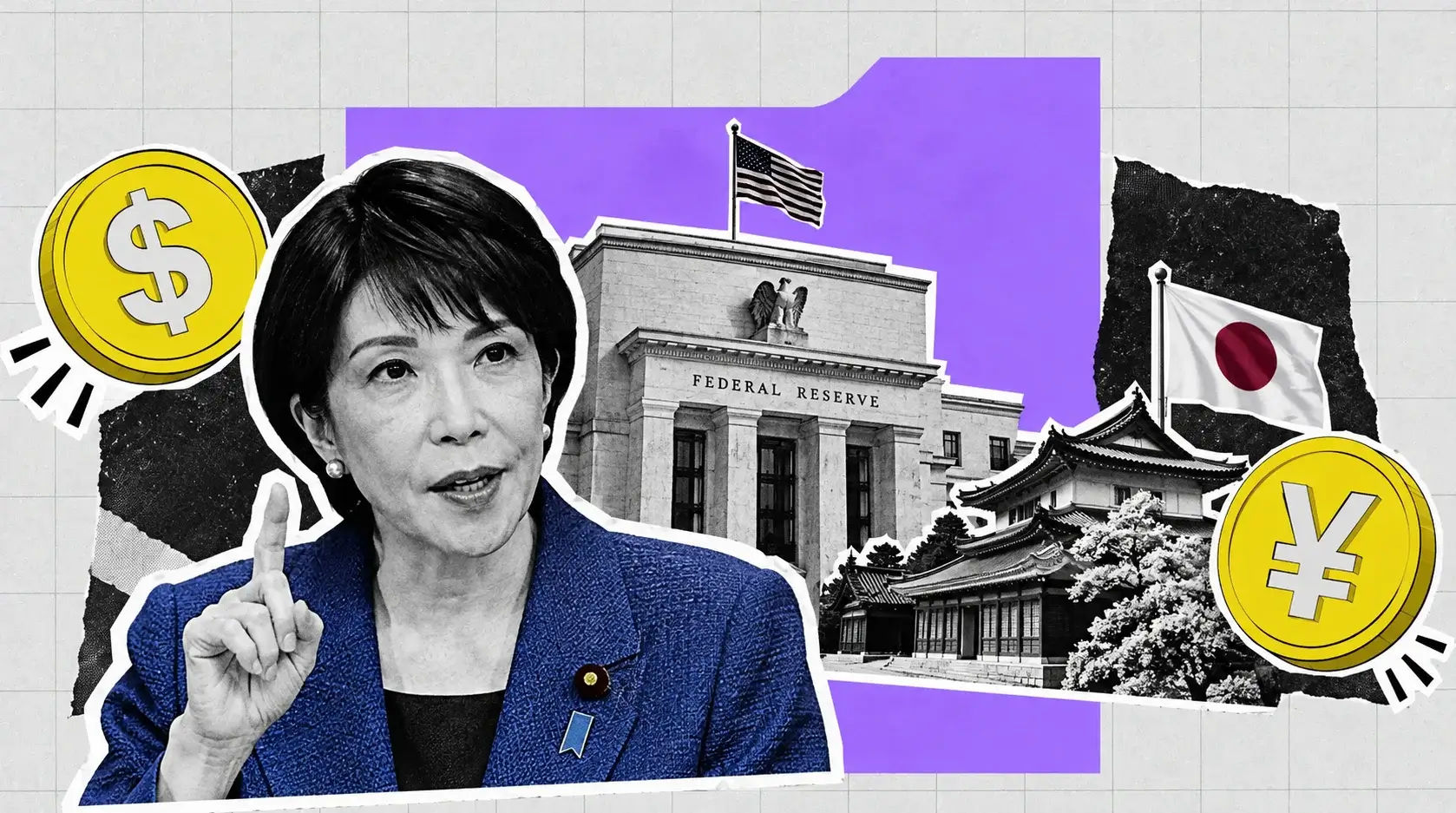
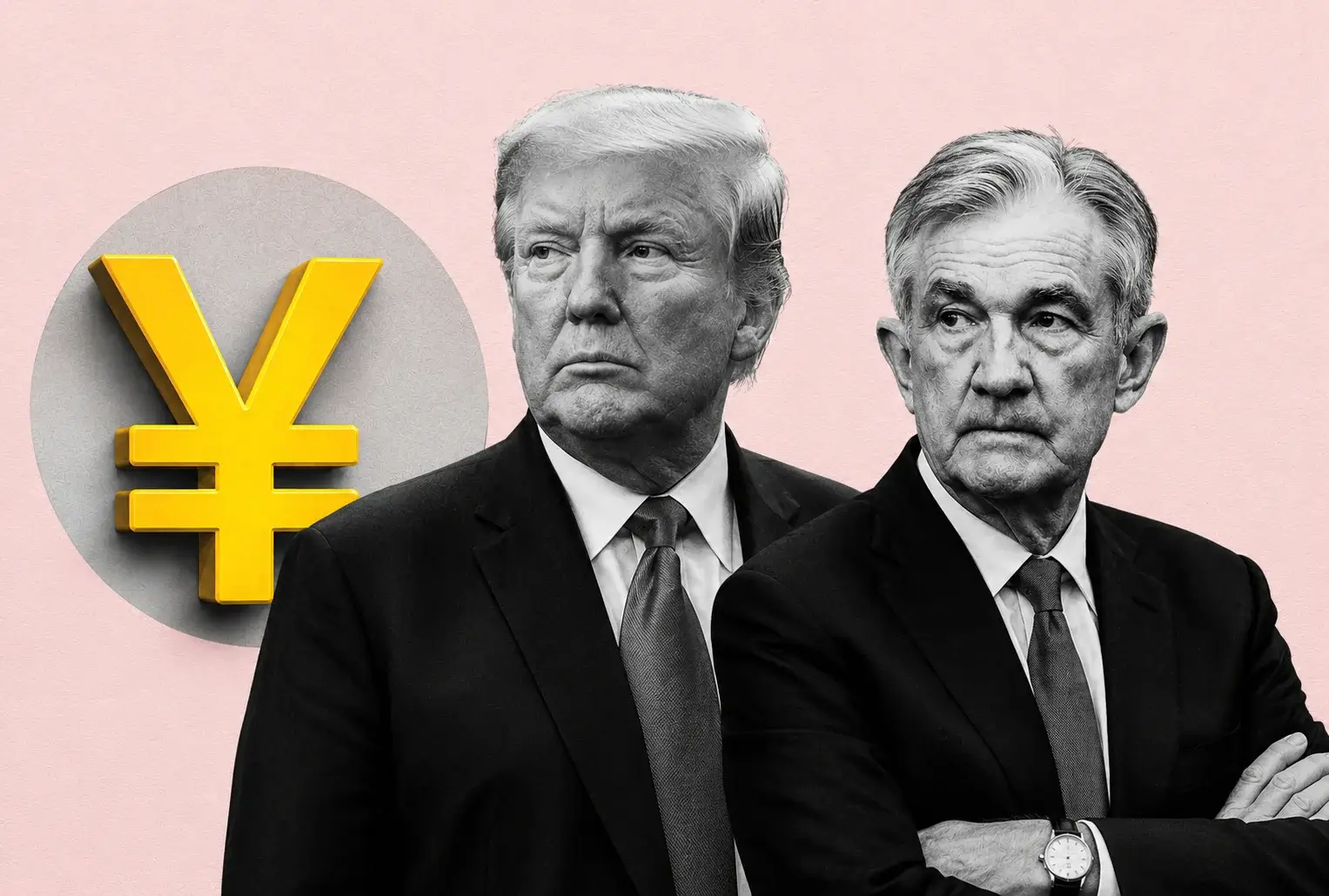
The Japanese currency was tracking sharply lower against the dollar through Monday's session, with USD/JPY changing hands at 157.26 — up 0.10% on the day with the pair reclaiming the 157.00 psychological pivot after dipping to the 156.50-156.45 zone during early Asian trade, before the broader Iran-driven risk premium pulled flow back into the greenback and pressed the yen across the board. The pair has been wedged between two opposing structural forces that define every meaningful move on the cross — on one side, the punishing energy-import math that hammers the yen every time crude prints above $100 a barrel, and on the other, the looming Ministry of Finance intervention threshold that Tokyo has repeatedly demonstrated it will defend with foreign exchange reserves running into the trillions. The proximate catalyst for Monday's move was Trump's flat rejection of Iran's revised peace framework as "TOTALLY UNACCEPTABLE" on Truth Social Sunday evening — a verdict that lifted WTI (CL=F) sharply above $96, sent Brent (BZ=F) climbing 2.50% to $103.80, and forced the energy-import-dependent Japanese economy back into the firing line. The yen weakened the most against the Canadian dollar on Monday's session at -0.27%, against the US dollar at -0.20%, against the Australian dollar at -0.13%, against the euro at -0.11%, and remained essentially flat versus the British pound — a relative-strength scorecard that confirms the yen's structural underperformance is the dominant theme rather than dollar-specific strength. The cross is now sitting at a make-or-break pivot near 157.00 that aligns with the rising trendline last anchored around 156.34, the 50-day moving average, and prior swing lows that have defined the medium-term uptrend channel.
Why Tokyo Spent ¥10 Trillion and It Still Was Not Enough
The Ministry of Finance's intervention activity during the Golden Week holiday period represents the single most consequential supply-side event in the USD/JPY complex for 2026, and the magnitude of the capital deployed matters more than the immediate price impact. Japan spent between ¥8.65 trillion and ¥10.08 trillion on currency interventions over Golden Week — with the upper estimate exceeding the ¥9.74 trillion deployed across all of 2024. The mechanical purpose of these interventions was to deter speculators from pressing the yen lower, and on that metric the operation worked — net short positions held by hedge funds and asset managers fell to a one-month low by the week ending May 5. Speculators reading the tape recognized that Tokyo was not bluffing, and the immediate response was to compress short exposure rather than continue stacking against the yen. The deeper problem sits inside the funding mechanism — the bulk of Japan's $1.2 trillion in foreign exchange reserves consists of US Treasury bonds, and the Federal Reserve's custody-holdings report showed a decline in Japanese holdings that aligns directly with the timing of the intervention. Tokyo is essentially financing yen-strengthening operations by selling US Treasuries, which mechanically pushes Treasury yields higher — exactly the opposite of what Washington wants given its determination to compress borrowing costs. Goldman Sachs estimates that Japan retains the capacity to conduct interventions on a scale similar to the late-April through early-May operations, meaning the intervention threshold remains a credible deterrent even after the substantial deployment. The futures market still prices a 72% probability of a Bank of Japan rate hike in June, with derivatives traders betting that the monetary tightening cycle resumes despite the BoJ's repeated history of finding reasons to delay action. The intervention math creates an asymmetric setup where Tokyo can defend specific levels but cannot reverse the structural uptrend that the rate differential and oil-import-cost dynamics keep pushing higher.
The Bank of Japan Hawkish Shift That Markets Have Not Fully Priced
The Bank of Japan's recent policy meeting delivered a meaningfully more hawkish signal than headline coverage captured, with the 6-3 vote split on the policy decision telegraphing genuine internal divergence about the appropriate timing for resuming the rate-hike cycle. The upward revision to inflation forecasts combined with the dissent profile lifted bets for a potential rate increase as soon as June, and the futures market pricing of 72% probability for that hike reflects the market's growing conviction that the BoJ will finally move. Japan's wage data have improved meaningfully — Rabobank's Senior FX Strategist Jane Foley notes that unions secured solid "shunto" wage hikes during the spring negotiation cycle, and real wages are now rising for the first time in years, providing the kind of underlying consumption strength that the BoJ has explicitly cited as a precondition for tightening. The Bank of Japan Deputy Governor's recent commentary suggests the central bank is gradually transitioning from a hold-and-wait posture to a more proactive tightening framework — though Japanese institutional history strongly suggests the actual rate move will come several meetings after markets have priced it in. The Bank of Japan's upward revision of inflation forecasts and the hawkish vote split lifted bets for a potential rate hike as soon as June, but the historical track record shows the central bank consistently lags market expectations on timing. If the June hike does deliver, the impact on USD/JPY would be mechanical — a 25-basis-point move would compress the rate differential against the Fed by 25 basis points and likely pull the pair toward the 154 zone within several trading sessions. The risk to the yen-bearish thesis sits in the possibility that the BoJ surprises hawkishly with both a hike and explicit forward guidance pointing to additional tightening through the back half of 2026.
The Oil Transmission Channel That Defines Japanese Currency Vulnerability
Japan's energy import math is the single cleanest structural argument for sustained yen weakness during periods of elevated crude prices, and the magnitude of the transmission effect deserves more attention than the daily price moves capture. The country imports approximately 90% of its primary energy needs, with crude oil and liquefied natural gas representing the largest single import categories by value. Every $10 per barrel rise in Brent crude translates into roughly $20 billion in additional annual import costs for Japan, which mechanically widens the current account deficit and creates structural selling pressure on the yen through the trade-balance channel. WTI (CL=F) at $97.60 and Brent (BZ=F) at $103.80 represent prices that are roughly $40-$45 above the early-2025 baseline — meaning the cumulative annual import-cost penalty Japan is absorbing runs into the $80-$90 billion range and represents one of the principal reasons the yen has been unable to mount any sustained recovery despite multiple central bank intervention attempts. The Strait of Hormuz disruption that has lasted more than two months adds a second-order vulnerability because Japan's LNG imports from Qatar have been severely disrupted, forcing the country to source replacement molecules from the US Gulf Coast at structurally higher prices — every shipment that previously crossed Hormuz now has to take longer routes, pay higher insurance, and compete against European buyers for the same scarce volumes. Japanese imports of Russian LNG climbed 57% month-on-month to EUR 163 million in April as Tokyo scrambled for alternative supply sources, and the rising dependence on more distant and politically complicated LNG suppliers reinforces the structural yen-weakness narrative through the trade channel. The implication for USD/JPY positioning is straightforward — every day that Trump's Iran rejection keeps the Hormuz blockade in place, the yen carries an embedded structural disadvantage that intervention can dampen but not reverse.
The Rate Differential That Forces Yen Carry Trade Flows
The interest-rate differential between Japan and the United States remains the dominant fundamental driver of USD/JPY price action over medium-term horizons, and the current 350-basis-point spread between the Fed's 3.50%-3.75% target range and the BoJ's 0.50% policy rate represents the kind of yield advantage that mechanically attracts carry-trade flows from Japanese institutional investors. Every Japanese pension fund, life insurer, and asset manager looking for yield is forced to either hold low-yielding domestic bonds or rotate into higher-yielding foreign assets — with US Treasuries representing the most liquid and accessible vehicle for that rotation. The flow architecture is structural and operates on a scale that overwhelms tactical intervention attempts. The Federal Reserve's hawkish tilt combined with Trump's continued pressure on the Iran situation that keeps oil prices elevated has reinforced expectations that the Fed will hold tighter for longer, with CME FedWatch indicating roughly 20% probability of a Fed hike before year-end given the inflation pass-through from energy. The composite effect is that even if the BoJ delivers its June hike at the 72% probability the futures market is pricing, the rate differential would compress from 350 basis points to 325 basis points — still wide enough to support continued carry-trade activity and prevent the kind of sustained yen rally that would require a fundamental rate-cycle convergence. The upbeat US Nonfarm Payrolls report released Friday reaffirmed hawkish Fed expectations and acted as a tailwind for US Treasury bond yields, providing additional fundamental support for the dollar that translates directly into USD/JPY strength. Reviving inflationary concerns from the oil shock have been pushing the entire US yield curve higher, with the 10-year Treasury yielding above 4.5% and the 2-year holding above 4.0% — a yield architecture that makes the yen carry trade extraordinarily attractive on a risk-adjusted basis.
Read More
-
Yen Stalls at 160 Despite a 3% JGB and Tokyo Core CPI at 2.0% — Intervention Sits at 164, Friday's Payrolls Decide
02.09.2026 · TradingNEWS ArchiveEnergy
-
QQQ ETF ($739) Fades From an Early Tech Rally as a 77.9 ISM Prices Index Meets Micron's $61.5B Guide — $760 Record Test Ahead
01.10.2026 · TradingNEWS ArchiveStocks
-
XRPR and XRPI Follow XRP's $1.49 Test as Spot Funds Hold 1.16B XRP and a 1 Billion Token Escrow Release Lands — $1.70 in Play
01.10.2026 · TradingNEWS ArchiveCrypto
-
November NG Slips Below $3 as Decade-High Storage Meets Capped LNG Exports — $2.75 in Sight
01.10.2026 · TradingNEWS ArchiveCommodities
-
Dollar-Yen at 158 Presses Toward 160 as a 363 bp Carry Gap Meets Katayama-Bessent Intervention Risk — 159 in Sight
01.10.2026 · TradingNEWS ArchiveForex
The Technical Architecture and the 157.00 Pivot That Defines the Week
The chart for USD/JPY at 157.00 occupies precisely the kind of technical pivot that historically delivers binary resolutions rather than sideways drift. The rising trendline anchored around 156.34 sits just beneath current price as the first structural floor, with the 20-day exponential moving average at 158.02 acting as the immediate overhead resistance that the pair would need to reclaim to ease the current downside pressure. The pair currently maintains a bearish near-term tone with spot holding below the 20-day EMA, but the broader technical structure remains intact above the rising trendline support. The Relative Strength Index near 43 suggests only modest downside momentum after the most recent pullback, telegraphing the kind of measured corrective action that typically precedes either a renewed leg higher or a deeper structural breakdown depending on which way the trendline resolution fires. A clear break below the prior uptrend support around 156.34 would expose deeper losses and signal that sellers are regaining control of the broader daily structure, with the next major support areas at the February 23 low of 154.00 and the February 12 low of 152.27. The 50-day moving average convergence with the 157.00 zone adds to the importance of this support cluster — three discrete technical reference points (rising trendline, prior swing lows, 50-day MA) all stacking at the same price level create the kind of confluence that systematic strategies use as a high-conviction reference point. A clean hold above 157.00 followed by a daily close back above the 158.02 EMA would reinforce the bullish structure and unlock the path toward 158.50 and the 160.00 psychological round number that has acted as the prior intervention threshold for Japanese authorities. A decisive break below 157.00 with a daily close below 156.34 would open the door for a deeper correction toward 155.00, then 154.00, and ultimately the 152.27 February low.
The Intervention Math and Why 160 Is the Tokyo Line in the Sand
Japan's top currency diplomat Atsushi Mimura stated on Thursday that the country faces no constraints on how often it can intervene in currency markets and is in daily contact with US authorities — telegraphing the kind of operational readiness that the Ministry of Finance has historically demonstrated through repeat interventions when USD/JPY approaches critical psychological levels. The historical pattern shows that Japanese authorities tend to step in when the yen depreciates rapidly past politically sensitive thresholds, with 160.00 functioning as the implicit line in the sand based on the late-April through early-May intervention activity that defended the level aggressively. The Ministry of Finance's intervention calculus operates on two distinct triggers — the absolute level of USD/JPY matters less than the velocity of the move, with rapid moves of 2-3% over short windows historically attracting intervention while gradual drifts higher tend to be tolerated. Verbal intervention represents the cheaper first-stage response, with Tokyo officials making increasingly hawkish statements about the yen's level before deploying actual capital. The 6-3 hawkish BoJ vote split combined with the upward inflation forecast revision creates a parallel pressure mechanism on the yen-bearish thesis — if the central bank does deliver its June hike, the combination of monetary tightening and intervention firepower would create the kind of two-pronged defense that could force a meaningful USD/JPY correction back toward the 154.00 area. The composite read across the intervention architecture is that Tokyo retains substantial capacity to defend specific levels but cannot reverse the structural uptrend without fundamental rate-cycle convergence — meaning the trade carries upside conviction within bounded ranges rather than open-ended bearish potential.
The CPI Catalyst That Will Force the Resolution Tuesday
The Tuesday US Consumer Price Index release sits as the single most consequential near-term catalyst for USD/JPY positioning, and the magnitude of the potential move in either direction has been compressing into the pre-release window. The April CPI print will mechanically reprice Fed rate-cut probability depending on whether the energy pass-through from oil prices above $100 has bled into core inflation measures. Any upside surprise on either the headline or core measure would push Fed rate-cut probability lower and likely strengthen the dollar across the board, lifting USD/JPY through 158.00 toward the 160.00 intervention threshold. A downside surprise that suggests the oil pass-through has been more contained than feared would compress Fed hawkishness and likely pull the pair back through 156.34 toward the 154.00 support zone. The setup matters because both scenarios trigger asymmetric responses from Japanese authorities — a hot CPI that pushes USD/JPY toward 159-160 would almost certainly trigger fresh intervention from Tokyo, while a cool CPI that pulls the pair toward 156 would relieve the intervention pressure and potentially allow the BoJ to delay its June hike. The Trump-Xi summit scheduled for May 14-15 in Beijing adds a second discrete catalyst that could affect dollar flows through the broader trade and geopolitical channel — any agreement on Chinese cooperation with US Iran policy that suggests a path toward Hormuz reopening would compress the oil-driven yen weakness immediately. US Treasury Secretary Scott Bessent is also expected to meet Chinese Vice Premier He Lifeng in Seoul on May 12-13 to narrow the economic agenda before the principals' summit. The clustering of high-impact catalysts within a 72-hour window means the USD/JPY consolidation regime that has defined recent trading is almost guaranteed to resolve directionally rather than continue as sideways drift.
The Forward Curve and the BoJ-Fed Differential Math
The forward-curve architecture for USD/JPY through year-end 2026 depends critically on how the rate-differential narrative resolves between the BoJ tightening cycle and the Fed's response to oil-driven inflation. The base case across major sell-side desks assumes the BoJ delivers one 25-basis-point hike in June with a 72% probability, followed by another potential move in October or December depending on the wage and inflation trajectory. The Fed is expected to hold rates anchored at 3.50%-3.75% through the back half of 2026, with the 4.2% June cut probability and 20% rate-hike probability framing a year-end target that consensus pegs near the current range. If both central banks deliver their expected moves, the rate differential compresses from 350 basis points to 300 basis points by year-end, which historically supports USD/JPY moves toward the 152-155 zone over multi-month horizons. The risk to the dollar-bullish thesis sits in the possibility that the Fed surprises dovishly if the oil-driven inflation impulse moderates faster than expected, while the risk to the yen-bullish thesis sits in the possibility that the BoJ continues its historical pattern of delaying rate hikes despite hawkish market expectations. The composite forward map points to USD/JPY spending the next several months grinding within a 154-160 range, with the upper boundary defended by intervention and the lower boundary defended by the structural carry trade and oil-import math. The longer-dated outlook through 2027 depends on whether Hormuz reopens — Aramco CEO Amin Nasser has warned that recovery slips into 2027 if the Strait remains closed through mid-June, which would extend the yen-bearish structural backdrop for another full year.
Where the Trade Sits Heading Into Tuesday's CPI
USD/JPY at 157.26 occupies a binary technical and fundamental juncture as the April US CPI release sits 24 hours ahead, with the resolution of both the 156.34-158.02 consolidation range and the Iran-driven oil premium likely to deliver outsized directional movement regardless of which way the catalysts fire. The constructive setup for the pair runs through the 350-basis-point rate differential between the Fed and BoJ that mechanically supports carry-trade flows, the rising trendline support at 156.34 that has anchored the bullish structure since the early-2026 lows, the 50-day moving average convergence with the 157.00 zone providing technical support, the Iran-driven oil shock that lifts WTI and Brent above $96 and structurally penalizes the yen through Japan's import math, the hawkish Fed expectations reinforced by Friday's strong NFP report, the elevated 10-year Treasury yield that makes the carry trade attractive on a risk-adjusted basis, the partial recovery in dollar safe-haven appeal following Trump's Iran rejection, and the historical track record of yen weakness persisting through periods of geopolitical risk-on. The defensive setup runs through the ¥10 trillion in confirmed Tokyo intervention capacity and the unlimited theoretical capacity tied to Japan's $1.2 trillion foreign exchange reserves, the 72% futures-market probability of a June BoJ rate hike that would compress the rate differential, the upward revision to BoJ inflation forecasts that telegraphs hawkish forward guidance, the 6-3 vote split on the most recent BoJ decision that confirmed genuine internal divergence, the improving Japanese wage data with real wages rising for the first time in years, the structural sensitivity of US Treasuries to Japanese reserve management that creates Washington-Tokyo policy tension, and the 160.00 implicit intervention threshold that limits aggressive yen-bearish positioning. The near-term bias leans modestly constructive toward continued grinding within the 156.34-158.02 range with a slight upside skew given the oil pass-through dynamics, but the meaningful directional resolution requires the Tuesday CPI catalyst to fire one way or the other. The medium-term posture leans more cautious given the combination of BoJ hawkish optionality, structural intervention defense at 160.00, and the eventual normalization expected from any Hormuz reopening that would reduce the oil-driven yen weakness. The verdict for active trading desks is BUY/HOLD on USD/JPY above 156.34 with strict stops below the rising trendline, with explicit acknowledgment that the trade carries asymmetric downside risk through Tokyo intervention rather than open-ended upside. Long positions remain viable as long as the pair trades above 156.50 per the structural read, with staged profit-take levels at 158.02 (20-day EMA), 158.50, 159.50, and the 160.00 intervention threshold where defensive position-trimming becomes mandatory. Short setups remain valid only on confirmed daily closes below 156.34 with downside targets at 155.00, 154.00, and 152.27 — but the short side carries elevated execution risk given Tokyo's demonstrated willingness to intervene whenever the move higher accelerates. The Tuesday CPI print, the Trump-Xi summit on May 14-15, the broader Iran kinetic situation, any escalation in BoJ hawkish rhetoric, and the next Tokyo intervention round will sequentially determine whether USD/JPY breaks through 158.02 toward the 160.00 ceiling or retreats through 156.34 toward the 154.00 support zone for a deeper consolidation phase.