Banking Sector Support Fuels ETF Rebound, Yet Market Experts Urge Caution Amid Looming Financial Crisis
Significant ETF inflows follow troubled banks' rescue efforts, while experts like Leon Cooperman predict sluggish S&P 500 performance due to financial turbulence
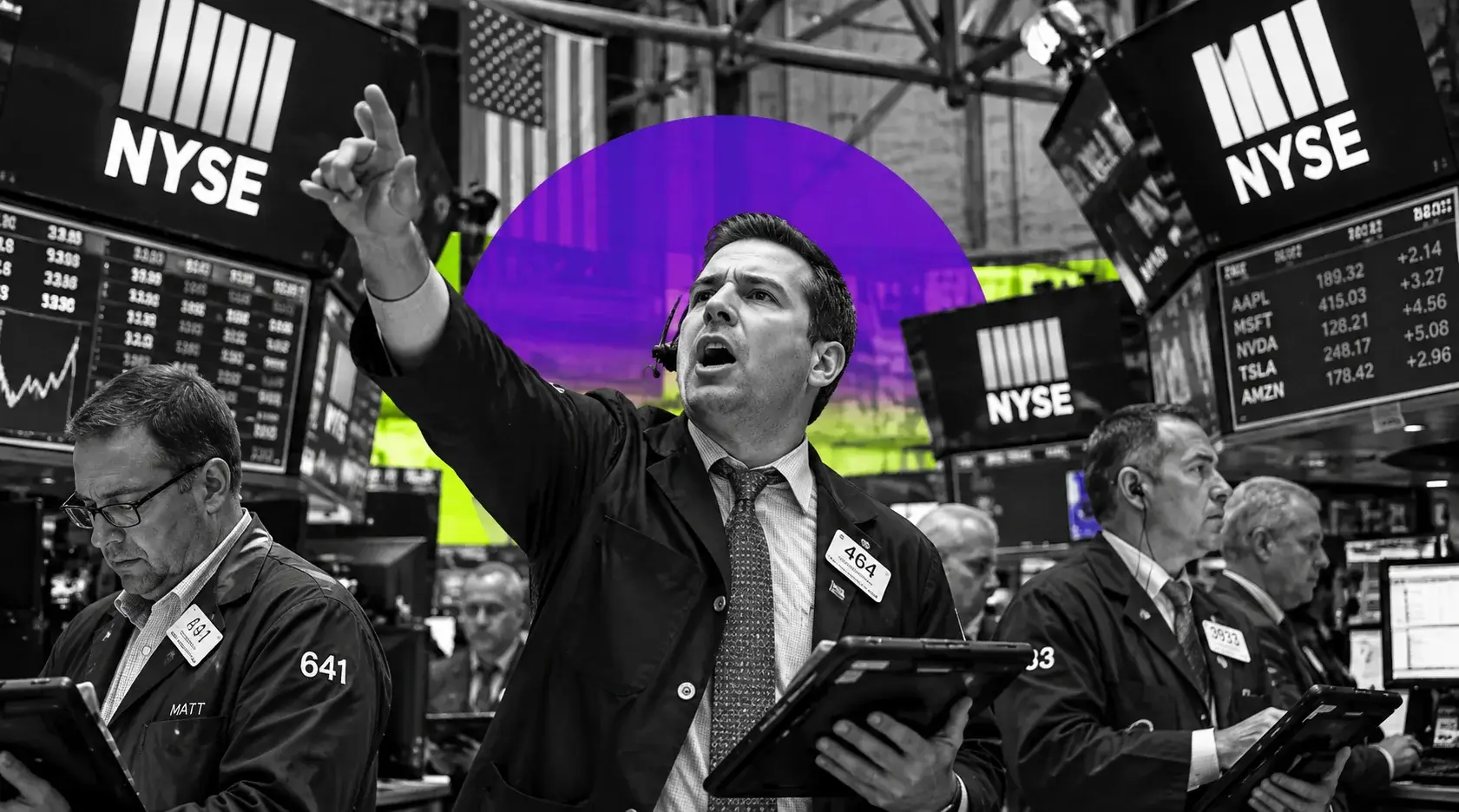
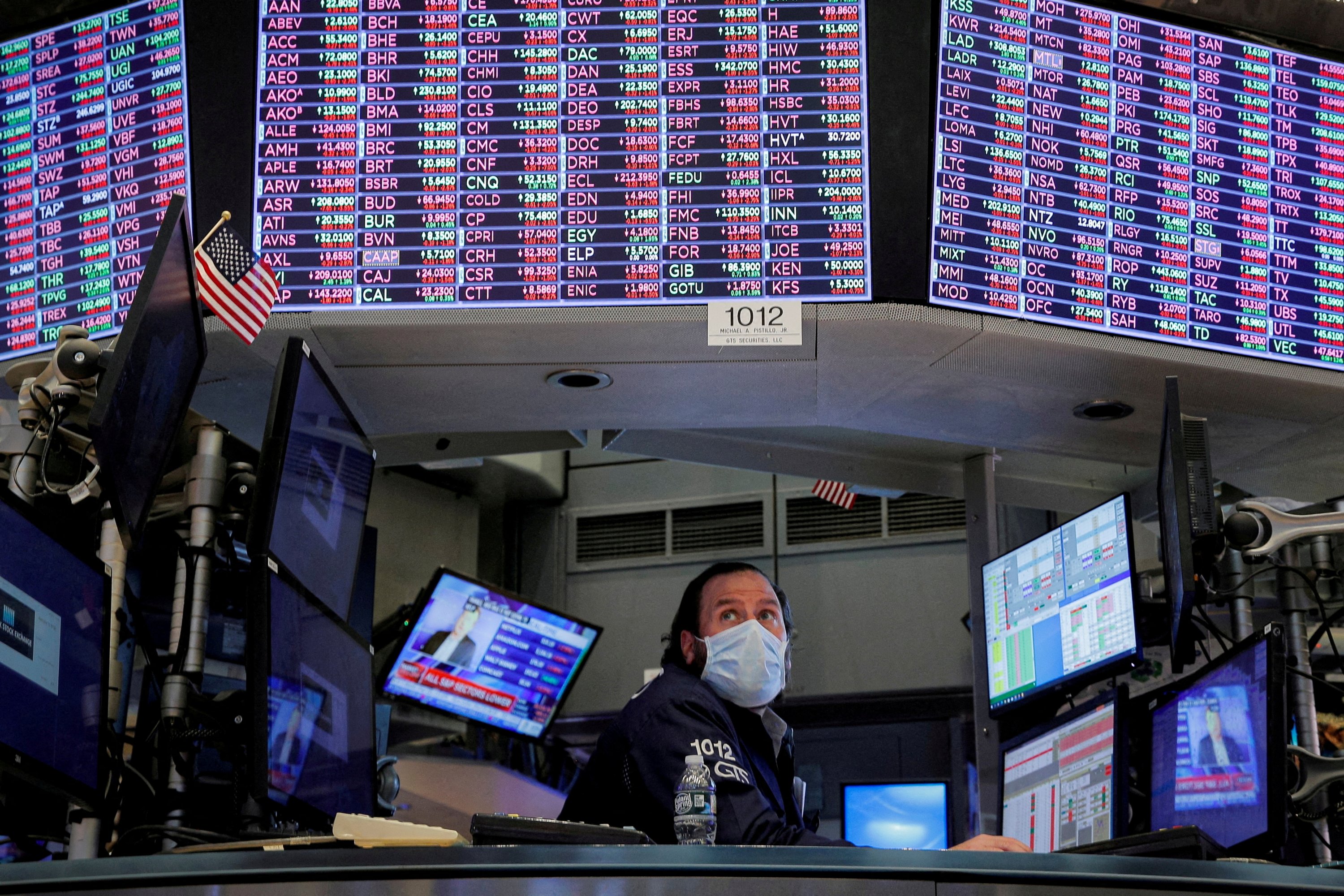
Investors made a comeback to risk assets amid Thursday's stock market rebound, injecting $7.3 billion in a single day into the largest ETF tracking US equities, the $361 billion SPDR S&P 500 ETF Trust (ticker SPY), as reported by Bloomberg. This marked the highest inflow since November 2020 when a Covid vaccine was announced. The renewed interest in equities came after major American banks agreed to support troubled regional lender First Republic Bank, and the Swiss National Bank announced assistance for Credit Suisse Group AG.
The Financial Select Sector SPDR Fund (XLF) and the SPDR S&P Regional Banking ETF (KRE) also experienced significant inflows of $1.2 billion and $756 million, respectively. In addition, the iShares iBoxx High Yield Corporate Bond ETF (HYG) and the iShares iBoxx $ Investment Grade Corporate Bond ETF (LQD) recorded inflows of $888 million and $502 million.
However, billionaire investor Leon Cooperman has expressed caution, stating that the US is experiencing a "textbook" financial crisis, pointing to the recent volatility in the banking sector. Cooperman expects the S&P 500 to deliver poor returns and not reach a new high for a long time. He has previously warned of an impending recession and a potential 20% drop in stocks this year.
The ongoing banking crisis and recent events, such as the failure of Silicon Valley Bank and the downgrade of First Republic Bank, have sparked increased volatility in the market. Analysts are now issuing a higher percentage of sell ratings on S&P 500 stocks, particularly in the financial sector. Companies like Principal Financial (PFG), T. Rowe Price (TROW), and Lumen Technologies (LUMN) are among those receiving sell recommendations, as reported by FactSet and the Wall Street Journal.
S&P 500 earnings for the quarter ending in March are predicted to decline by 6.1%, the largest drop since Q2 2020. This has led to analysts becoming less bullish on stocks overall. With uncertainty surrounding a potential recession, analysts and investors remain cautious about the future of S&P 500 stocks, especially in the financial sector.
Read More
-
Yen Stalls at 160 Despite a 3% JGB and Tokyo Core CPI at 2.0% — Intervention Sits at 164, Friday's Payrolls Decide
02.09.2026 · TradingNEWS ArchiveEnergy
-
Microsoft Rebounds From $491 Low as $678B Backlog and Positive Free Cash Flow Shield It From 5.15% Yields
24.09.2026 · TradingNEWS ArchiveStocks
-
XRP Slides to $1.50 After $1.66 Peak as Escrow Supply Meets $20M Daily ETF Bid, With $1.70 in Reach
24.09.2026 · TradingNEWS ArchiveCrypto
-
Brent Retakes $105 From $98 Low as Houthis Hold Bab al-Mandab and Hormuz Runs at Half Capacity, WTI at $93.96
24.09.2026 · TradingNEWS ArchiveCommodities
-
Nasdaq Falls to 26,804, S&P 500 Drops to 7,688, Dow Sheds 191 Points as Oracle Tumbles 7% on Project Jupiter Notice
24.09.2026 · TradingNEWS ArchiveMarkets
-
Euro Sinks to 1.1380 on 125–150bp ECB-Fed Rate Gap as RSI Hits Oversold 25.47
24.09.2026 · TradingNEWS ArchiveForex