
Fed Chairman Addresses Regional Bank Failures Amid Persistent Inflation Concerns
Central Bank Raises Interest Rates Despite Economic Risks, Aiming to Restore Inflation Target
Fed Governor Addresses Regional Bank Failures Amid Tightening Credit Conditions: A Comprehensive Analysis of Current Economic and Regulatory Scenarios
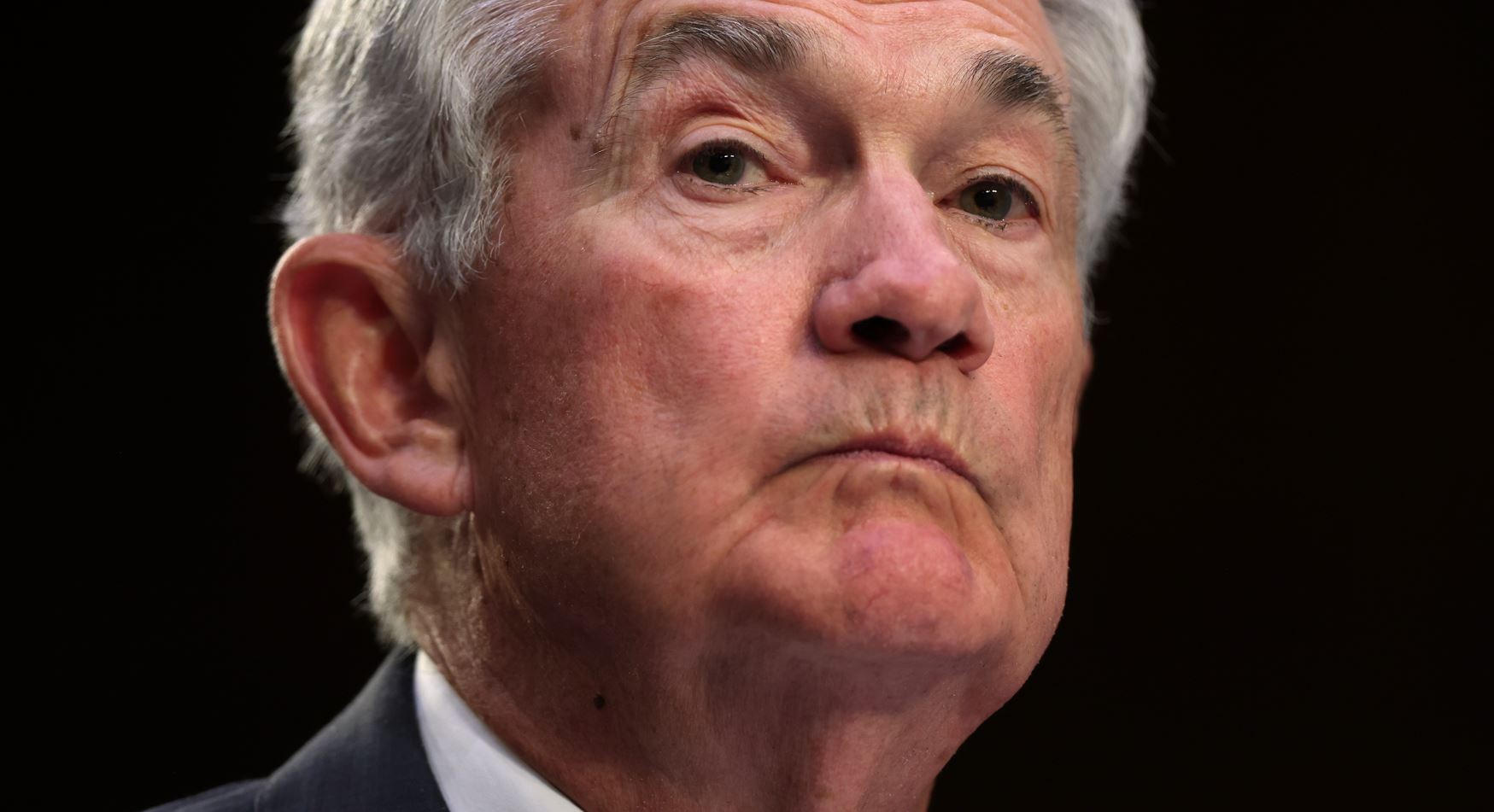
The Federal Reserve Chairman, at a recent press conference, acknowledged the impact of recent regional bank failures on credit conditions, stating that this could potentially affect the economy. Despite these concerns, the Chairman emphasized the stability and strength of the US banking system, ensuring the use of all necessary tools to maintain its resilience.
Fed Chairman Jerome Powell revealed that the events at regional banks, including the collapse of Silicon Valley Bank, Signature Bank, and Silvergate Capital, have put pressure on credit terms for households and businesses. In response, the Federal Reserve decided to raise the interest rate by 25 basis points, from 4.75% to 5%. This move was aimed at gradually moderating the persistently high inflation rate, which currently stands at 6% per year.
Recent data highlights stubborn inflation levels that are slow to decrease, even as global commodity prices fall and supply chain disruptions ease. Core inflation, excluding food and energy prices, remained high at 5.5% per year in February. Powell emphasized the Fed's primary goal of returning to the inflation target of 2% per year.
Despite warnings from economists and analysts that raising interest rates at this time could exacerbate pressures on smaller banks and financial institutions, the Fed adheres to the "principle of separation" in modern central banking. This approach prioritizes achieving price stability, using additional policy tools to support financial stability as needed.
Powell also addressed the mismanagement of Silicon Valley Bank, which led to the bank's exposure to interest-rate risk and uninsured deposits. Regulatory filings reveal that about 93.8% of SVB’s deposits were uninsured as of the end of 2022, exceeding the $250,000 cap on deposit insurance provided by the Federal Deposit Insurance Corporation (FDIC). Additionally, SVB was overexposed to long-dated Treasury securities, creating substantial interest-rate risk as the Federal Reserve increased rates to combat inflation. Bond prices decrease as interest rates rise, forcing SVB to sell off portions of its bond portfolio at a loss to meet depositors’ withdrawal demands amid concerns about the bank’s long-term viability.
This announcement of losses from bond sales caused the company's stock to plummet, sparking concern among depositors who rushed to withdraw their money, exacerbating the bank's woes, and prompting its failure. Consequently, the FDIC, in concert with the Federal Reserve and Treasury Department, seized SVB, deeming it a systemic risk to the financial system. They provided protection for all the bank’s depositors, including those with account balances above the standard $250,000 cap on FDIC deposit insurance.
In conclusion, the Federal Reserve Chairman reassured the public about the stability and strength of the US banking system, despite recent regional bank failures. The focus remains on returning to the inflation target of 2% per year while maintaining financial stability.
Read More
-
Yen Stalls at 160 Despite a 3% JGB and Tokyo Core CPI at 2.0% — Intervention Sits at 164, Friday's Payrolls Decide
02.09.2026 · TradingNEWS ArchiveEnergy
-
Microsoft Rebounds From $491 Low as $678B Backlog and Positive Free Cash Flow Shield It From 5.15% Yields
24.09.2026 · TradingNEWS ArchiveStocks
-
XRP Slides to $1.50 After $1.66 Peak as Escrow Supply Meets $20M Daily ETF Bid, With $1.70 in Reach
24.09.2026 · TradingNEWS ArchiveCrypto
-
Brent Retakes $105 From $98 Low as Houthis Hold Bab al-Mandab and Hormuz Runs at Half Capacity, WTI at $93.96
24.09.2026 · TradingNEWS ArchiveCommodities
-
Nasdaq Falls to 26,804, S&P 500 Drops to 7,688, Dow Sheds 191 Points as Oracle Tumbles 7% on Project Jupiter Notice
24.09.2026 · TradingNEWS ArchiveMarkets
-
Euro Sinks to 1.1380 on 125–150bp ECB-Fed Rate Gap as RSI Hits Oversold 25.47
24.09.2026 · TradingNEWS ArchiveForex