Shell's Historic $40bn Profit Ignites Demand for Stricter Windfall Tax
UK Government Faces Pressure as Opposition Parties and Trade Unions Criticize Insufficient Windfall Tax on Fossil Fuel Companies
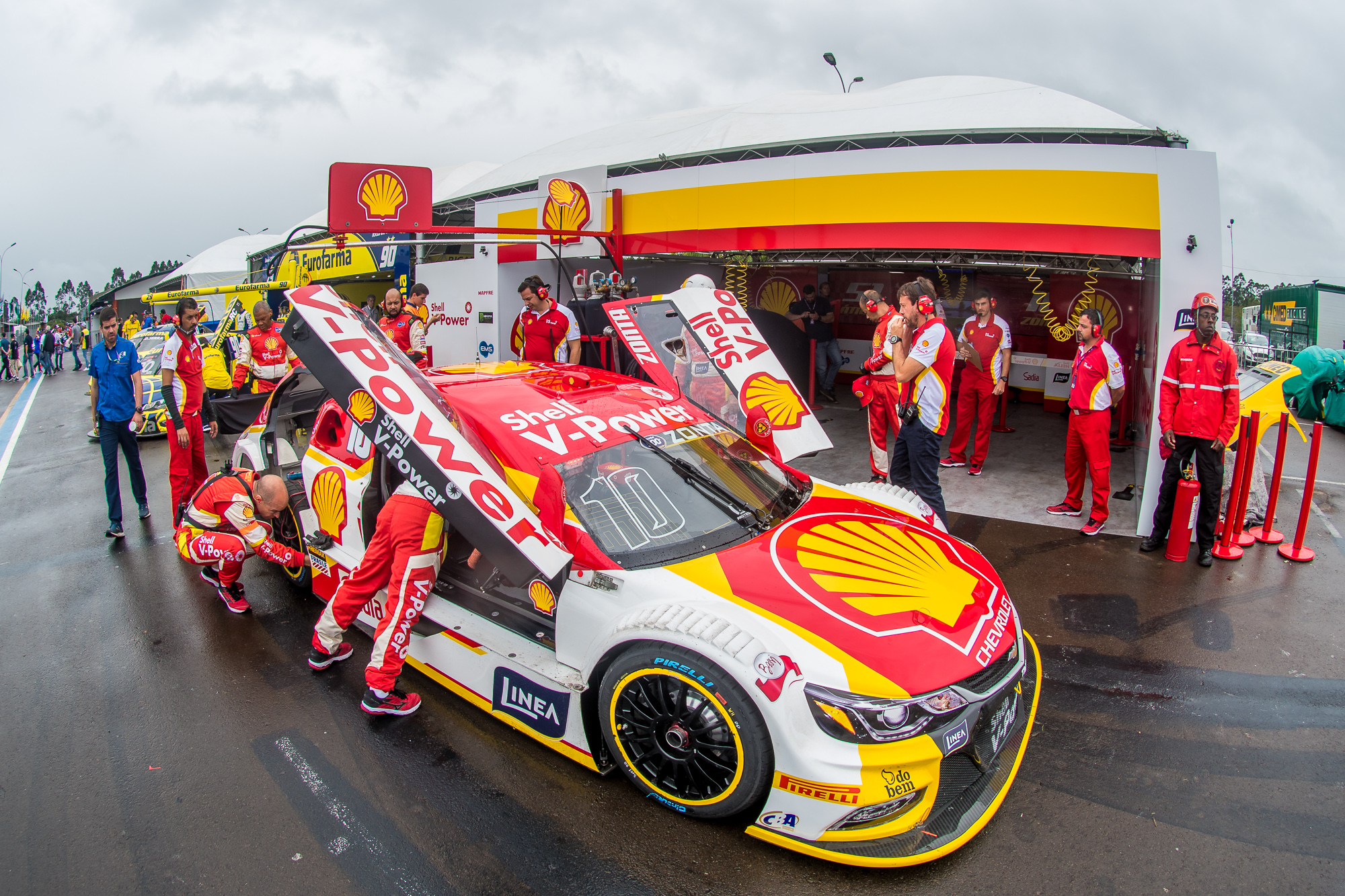
Shell, one of the largest energy companies in the UK, has faced significant backlash after reporting record-breaking profits in 2022. The company's annual earnings reached $40 billion (£32bn), driven by a surge in energy prices caused by Russia's invasion of Ukraine. Opposition parties and trade unions have described Shell's windfall as "outrageous," accusing Rishi Sunak of letting fossil fuel companies off the hook.
Shell paid a mere $134 million in British windfall taxes in 2022, while it contributed $520 million to the EU's "solidarity contribution," which functions as Europe's equivalent to the windfall tax. Although Shell was criticized in October for not paying any UK windfall tax up to that point, it has stated that it is likely to contribute $500 million in 2023.
The company's performance in 2022 was boosted by record oil and gas prices, resulting in almost $10 billion in profits during the final quarter of the year. This puts Shell on par with British American Tobacco, which made £38 billion in 2017, but still behind Vodafone's £60 billion in 2014, following the sale of its US business.
Shell's profits have prompted the UK government to introduce a windfall tax on North Sea operators, which was later strengthened by Chancellor Jeremy Hunt. Paul Nowak, the general secretary of the TUC, has argued that the windfall tax should be increased, stating that billions are being left on the table.
Critics have also accused Shell of overstating its spending on renewable energy. The company invested $25 billion overall in 2022, up from $20 billion in 2021. Of this, $12 billion was spent on oil and gas projects, while only $3.5 billion went towards renewable energy initiatives.
Despite the controversy surrounding its profits, Shell posted first-quarter net profits of $9.65 billion in 2023, surpassing analysts' predictions. These strong earnings were attributed to fuel trading and higher liquefied natural gas (LNG) sales, which offset the cooling energy prices. Shell's integrated gas business saw an 18% slump in profits to $4.9 billion, but this was broadly offset by a 139% jump in profits to $1.8 billion in its chemicals and refined products unit.
In response to the criticism, Shell's CEO Wael Sawan has emphasized the company's commitment to providing energy to the world. Shell is currently aiming to become a net-zero emissions business by 2050. In the first quarter of 2023, the company's Renewable and Energy Solutions unit reported adjusted earnings of $389 million, up from $293 million during the final three months of 2022.
Nevertheless, Shell's profits continue to spark outrage and calls for increased taxation on energy companies. As the UK faces an energy price hike of 40% in April, pressure is mounting on the government to implement a proper windfall tax to ensure that companies making unexpected profits from the proceeds of war pay their fair share.
Read More
-
Yen Stalls at 160 Despite a 3% JGB and Tokyo Core CPI at 2.0% — Intervention Sits at 164, Friday's Payrolls Decide
02.09.2026 · TradingNEWS ArchiveEnergy
-
Dell Rebounds to $565.86 as a $95 Billion AI Backlog Meets 22x Forward Earnings — $595 High in Sight
25.09.2026 · TradingNEWS ArchiveStocks
-
XRP-USD ($1.53) Outperforms as ETF Inflows Return, but August Buyers Guard $1.60 — $1.70 Upside vs. $1.25 Floor
25.09.2026 · TradingNEWS ArchiveCrypto
-
Brent Holds $105 While WTI Heads for a 7% Weekly Loss as a 3M-Barrel Build and a Diesel Ban Threat Split the Market
25.09.2026 · TradingNEWS ArchiveCommodities
-
S&P 500 Gains 0.22%, Nasdaq Tops 27,000, Dow Up 0.40% on MSFT Launch and AKAM Deal
25.09.2026 · TradingNEWS ArchiveMarkets
-
Sterling Slides to 1.3216 as a Divided Bank of England Trails the Fed — 1.3424 Upside vs. 1.3000 Risk
25.09.2026 · TradingNEWS ArchiveForex