GBP/USD Price Forecast: Sterling Defends 1.37 Pivot Before NFP and BoE
Pound pulls back from 1.3860 high while Fed PPI shock, Warsh nomination and US jobs data test support at 1.37 and 1.35 for GBP/USD | That's TradingNEWS
GBP/USD Price Forecast – Sterling Holds 1.37 Pivot as Dollar Recovers into NFP and BoE
Macro backdrop for GBP/USD: Fed on hold, PPI shock and Warsh nomination
GBP/USD has pulled back from the 1.3860 high toward the 1.3700–1.3750 zone after a sharp US Dollar rebound.
The immediate trigger was the January FOMC decision and the surprise strength in US producer prices.
Headline US PPI rose about 0.5% month-on-month versus expectations near 0.2%.
Core PPI jumped roughly 0.7% versus a similar 0.2% consensus.
Those numbers signal sticky inflation pressure and reduce the urgency for fresh Fed cuts.
The Fed kept rates unchanged with a 10–2 vote and described growth as solid, while removing language about rising employment risks.
That is a mild hawkish twist after three cuts already delivered.
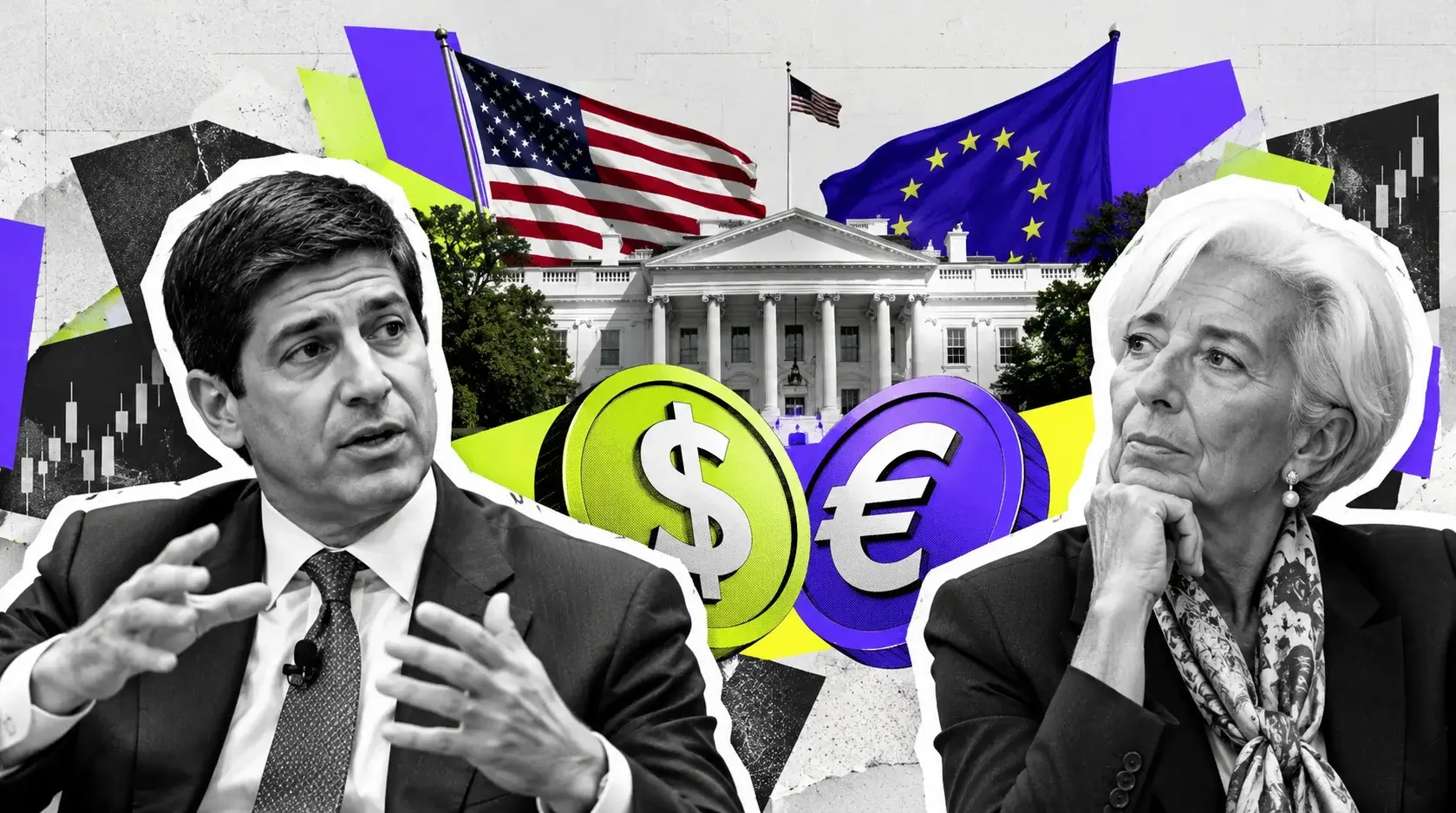
On top of that, the White House named Kevin Warsh as preferred Fed chair candidate, a move markets see as dollar-positive compared with prior speculation about more dovish leadership.
The combination of stronger PPI, a Fed no longer racing to cut, and a perceived hawkish chair pick pushed the Dollar Index off four-year lows.
GBP/USD felt that shift immediately, with the pair dropping more than 100 pips from around 1.3860 to the mid-1.37s as profit-taking kicked in on stretched long-sterling positioning.
Political noise, USD policy signals and the sterling risk premium
The political overlay is messy and it matters for GBP/USD.
President Trump has repeatedly praised a weaker dollar in public, calling USD softness “great,” while his own advisers now highlight benefits of a strong currency.
That conflict injects volatility into the US rates and FX complex.
Markets saw last week’s violent yen carry unwind and dollar slump as a warning of what uncontrolled policy messaging can do.
Against that backdrop, any hint that the administration could tolerate a firmer USD to stabilise broader markets supports a corrective rebound in the Greenback.
For sterling traders this means GBP/USD is trading inside a tug-of-war between US political risk, Fed credibility and global risk mood rather than a simple rate-differential story.
At the same time, escalating Middle East tensions, US–Iran headlines, and fresh sanctions debates keep a risk premium embedded in safe-haven flows, which tends to cushion the dollar on dips.
That is one reason why the move above 1.38 could not extend toward 1.40 despite the earlier structural GBP tailwind.
UK side of GBP/USD: resilient data, cautious BoE and a crowded long
On the UK side the macro picture has been quietly supportive for GBP.
Recent data show a more resilient economy than feared, with growth stabilising rather than slipping into a deep slowdown.
Markets walked into this week expecting a cautious but not aggressively dovish Bank of England.
Rate cuts are still on the table for later in 2026, yet the timing is data-dependent and the bar for near-term easing remains high.
That stance allowed GBP/USD to print fresh multi-month highs near 1.3860, levels last seen in late 2021, before the recent pullback.
However, the rally left positioning crowded and tactical longs vulnerable to any USD squeeze.
When the US data beat, sterling bulls took profits rather than fight the move, which explains how the pair slid back under 1.3800 and toward 1.3700 without any UK-specific negative catalyst.
The key UK risk now is the coming BoE rate decision and the vote split.
A hold with a tight committee leaning toward patience will support GBP.
A surprise dovish tilt or heavy signalling of early cuts would remove one of the main props under GBP/USD.
Read More
-
Yen Stalls at 160 Despite a 3% JGB and Tokyo Core CPI at 2.0% — Intervention Sits at 164, Friday's Payrolls Decide
02.09.2026 · TradingNEWS ArchiveEnergy
-
AMD ($560.68) Rebounds 10% From Its October Low on the Meta Helios Win — November 3 Report Holds the Key to $649
27.10.2026 · TradingNEWS ArchiveStocks
-
Ethereum ($2,312) Lags Bitcoin and AI Stocks as BitMine Nears Its 5% Cap — Break of $2,295 Opens $2,200
27.10.2026 · TradingNEWS ArchiveCrypto
-
Brent ($113.88) Trades a $2.35 Range as Houthi Strikes Meet Saudi-Iran Diplomacy — Break of $117 Unlocks $120
27.10.2026 · TradingNEWS ArchiveCommodities
-
Nasdaq Rips 1.3%, S&P 500 Hits 7,728, Dow Stalls as BA Drops to $171
27.10.2026 · TradingNEWS ArchiveMarkets
-
GBP/USD (1.3310) Can’t Cash In on 5.43% Gilt Yields as Budget Risk Meets a Firm Dollar — Break of 1.3274 Opens 1.3200
27.10.2026 · TradingNEWS ArchiveForex
Event risk cluster for GBP/USD: BoE, NFP and US data gauntlet
The next directional leg for GBP/USD will be determined by a dense event calendar.
On the US side traders face ISM manufacturing and services, JOLTs, ADP, non-farm payrolls, average hourly earnings, unemployment and University of Michigan sentiment and inflation expectations.
Consensus looks for NFP in the 50k–75k area with unemployment around 4.4%.
A print well above that range, backed by firm wage growth, would validate the PPI surprise and argue for fewer cuts, extending USD strength and pressuring GBP/USD toward lower supports.
A miss on jobs and wages would do the opposite, reviving the dollar-bearish narrative and favouring another test of 1.38–1.39.
On the UK side the BoE decision and statement dominate.
If the bank keeps rates unchanged but stresses patience and highlights upside inflation risks, rate-cut expectations get pushed back and sterling gains fresh support.
If the language leans hard into disinflation and flags earlier easing, GBP longs will reassess and GBP/USD could slip through 1.37 with little resistance.
Given how much good news is already in the price near 1.38–1.39, the risk-reward into the meeting is no longer one-sided for sterling.
Technical map on GBP/USD: 1.3860 high, 1.37 pivot and 1.35–1.3460 line in the sand
Technically, GBP/USD still trades inside a broader uptrend but is now in a corrective phase.
Price has logged two consecutive positive weeks, topping out near 1.3860, the strongest level since October 2021.
The subsequent drop has dragged the pair back into a key support cluster between roughly 1.3700 and 1.3680.
That zone includes recent breakout levels and short-term moving averages on daily charts.
Below there, the next important shelf sits near 1.3600, followed by a heavier demand band around 1.3500.
Several analysts flag the 1.3460–1.3500 area as the structural line in the sand for the bull trend.
A clean daily and weekly close below 1.3460 would suggest that the latest breakout was a bull trap and that the larger USD downtrend pause is turning into a more durable dollar recovery.
Momentum indicators confirm this corrective tone.
Daily RSI has rolled back from overbought readings above 70 toward the mid-range around 50, creating room for either renewed upside or a deeper pullback without yet signalling a full trend reversal.
For now the chart shows a typical post-rally digestion rather than a finished bullish pattern, as long as 1.35–1.3460 holds on closing basis.
Short-term GBP/USD trading zones: intraday levels and invalidation
Near term, 1.3710–1.3730 has acted as the first support band where buyers attempt to defend the trend.
If that area fails decisively, attention shifts to the 50-day moving region near 1.3630–1.3640 and the psychological 1.3600 handle.
The deeper tactical demand zone remains 1.3540–1.3570, just ahead of the 1.3460–1.3500 structural floor.
On the topside, initial resistance sits around 1.3800, followed by the recent peak at 1.3860 and then 1.3920–1.3950.
A sustained break above 1.3860 on strong volume would open the path toward the 1.4000 round number, especially if BoE and US data lean in favour of sterling.
Until that breakout happens, rallies into the high-1.38s will tempt profit-taking, while dips into the mid-1.36s should attract dip-buyers who still believe in a medium-term GBP story.
Invalidation for that buy-the-dip camp sits clearly below 1.3460.
A move through that floor, particularly on a week when NFP and BoE both favour the dollar, would argue for a transition toward a range or even a new downtrend in GBP/USD.
Risk sentiment, commodities and GBP/USD correlation
Broader risk appetite is another key driver that cannot be separated from GBP/USD price action.
The same week that GBP/USD stalled, global markets digested a sharp sell-off in silver, heavy moves in gold and a pullback in Bitcoin and other risk assets.
At one point silver dropped about 15% in a single session as speculative longs rushed to exit.
Bitcoin also suffered a large liquidation wave exceeding a billion dollars in value.
When cross-asset volatility spikes like that, the dollar tends to catch a safety bid, particularly against higher-beta currencies.
Sterling sits somewhere in the middle of the risk spectrum, but GBP/USD still tends to fall when markets move into classic risk-off mode.
Layer on top the rising geopolitical risk premium from Middle East tensions, Iran rhetoric and sanctions noise, and you have a macro cocktail that supports the Greenback on days when data are neutral.
For GBP/USD bulls to regain clean control, risk assets will need to stabilise and the conflict narrative must avoid another escalation that drives forced deleveraging.
Fundamental verdict on GBP/USD: tactical buy-the-dip, medium-term cautiously bullish
Putting the pieces together, GBP/USD is no longer in the one-way sterling-bull story that dominated earlier in January.
The pair now trades inside a more balanced regime where strong US data, a perceived hawkish Fed chair pick and geopolitical stress can all deliver sharp dollar bounces.
At the same time, the UK economy is holding up better than feared, and the BoE is in no rush to slash rates, keeping a meaningful rate differential buffer for GBP.
With price around the 1.37 pivot and well above the 1.35–1.3460 structural floor, the risk-reward still favours a cautiously bullish stance on GBP/USD over the medium term.
The clean setup is tactical buy-the-dip toward 1.36–1.37 with invalidation below 1.3460 and upside targets back to 1.3860 and then 1.40 if data co-operate.
Given the dense event calendar and noisy US political backdrop, position sizing and tight risk management remain critical.
Overall stance based on the current numbers: GBP/USD is a qualified Buy on dips, medium-term bias bullish while 1.35–1.3460 holds, with the understanding that a strong NFP plus a dovish BoE would flip that bias quickly toward neutral or even Sell if the 1.3460 floor breaks.