Oil Market Amid Global Supply Surplus and Demand Changes
Unraveling the Factors Influencing Oil Prices: OPEC+ Strategies, Chinese Import Trends, and Global Economic Impacts | That's TradingNEWS
nalyzing Oil Market Dynamics Amidst Supply Surplus and Demand Concerns
Oil Price Volatility and Market Trends
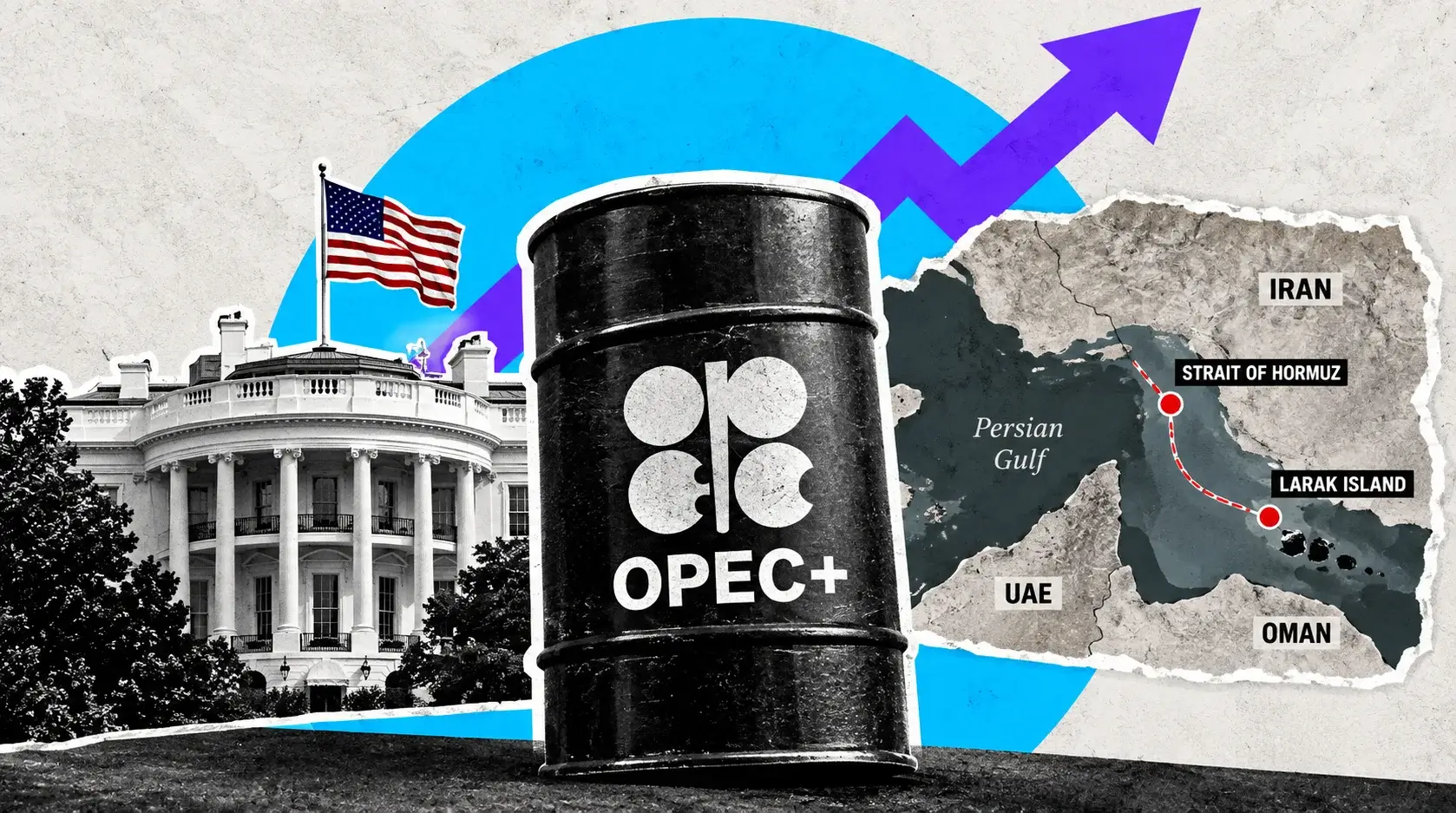
Oil markets have recently been under the spotlight, with Brent crude and U.S. West Texas Intermediate (WTI) crude experiencing a significant downturn. This seventh consecutive weekly decline reflects concerns over a global supply surplus and weakened demand, particularly from China. Despite these trends, oil prices regained some ground on Friday, following calls from Saudi Arabia and Russia for more OPEC+ members to join output cuts.
Impact of OPEC+ Decisions and Global Supply
The Organization of the Petroleum Exporting Countries and allies, known as OPEC+, agreed to a combined 2.2 million barrels per day (bpd) in output cuts for the first quarter of next year. However, the market response was mixed, with prices initially falling post-announcement. This indicates skepticism about whether these cuts are sufficient to offset the anticipated supply surplus in early 2024.
Chinese Demand Concerns and Economic Implications
The decline in Chinese oil imports, which fell 9.2% year-over-year in November, has raised alarms about global demand. This drop, coupled with the Moody’s downgrade warning on China’s credit rating due to real estate and construction sector issues, could impact China’s economic recovery and influence global oil demand.
Saudi Arabia and Russia's Influence on Oil Markets
Saudi Arabia and Russia, two of the world's largest oil exporters, have played pivotal roles in steering OPEC+ decisions. Russian President Vladimir Putin's rare visit to Saudi Arabia and the UAE emphasized the need for OPEC+ members to adhere to output cuts for the sake of global economic stability. However, the effectiveness of these diplomatic efforts in stabilizing oil prices remains to be seen.
Technical Outlook for WTI
From a technical perspective, WTI remains vulnerable, with key support around the $67 mark. This level has previously acted as a strong foundation for price rebounds. The resistance levels to watch are $70.12, $72.15, and $73.06. A break above these could signal a recovery, while failure to hold above could indicate continued bearish sentiment.
Global Economic Concerns and U.S. Production
The global economic slowdown, accentuated by almost two years of steep interest-rate increases, is a primary concern impacting energy demand. Concurrently, the U.S., which is not a part of OPEC, has increased its production to a record 13 million barrels a day, adding to the supply glut.
Conclusion
In conclusion, the oil market is currently navigating through a complex interplay of supply surplus concerns, fluctuating demand, particularly from China, and strategic moves by major oil-exporting countries. The decisions and actions of OPEC+ members, along with global economic trends, will be crucial in determining the future trajectory of oil prices.
Read More
-
Yen Stalls at 160 Despite a 3% JGB and Tokyo Core CPI at 2.0% — Intervention Sits at 164, Friday's Payrolls Decide
02.09.2026 · TradingNEWS ArchiveEnergy
-
Dell Rebounds to $565.86 as a $95 Billion AI Backlog Meets 22x Forward Earnings — $595 High in Sight
25.09.2026 · TradingNEWS ArchiveStocks
-
XRP-USD ($1.53) Outperforms as ETF Inflows Return, but August Buyers Guard $1.60 — $1.70 Upside vs. $1.25 Floor
25.09.2026 · TradingNEWS ArchiveCrypto
-
Brent Holds $105 While WTI Heads for a 7% Weekly Loss as a 3M-Barrel Build and a Diesel Ban Threat Split the Market
25.09.2026 · TradingNEWS ArchiveCommodities
-
S&P 500 Gains 0.22%, Nasdaq Tops 27,000, Dow Up 0.40% on MSFT Launch and AKAM Deal
25.09.2026 · TradingNEWS ArchiveMarkets
-
Sterling Slides to 1.3216 as a Divided Bank of England Trails the Fed — 1.3424 Upside vs. 1.3000 Risk
25.09.2026 · TradingNEWS ArchiveForex