Oil Market TradingNEWS Sheffield's Alleged OPEC Collusion
A detailed look at the FTC's accusations against Scott Sheffield and the broader implications for market dynamics and corporate governance in the energy industry | That's TradingNEWS
Analyzing the Regulatory Storm: The Sheffield-OPEC Allegations and the Energy Market Dynamics
Market Manipulation Accusations: A Dive into Sheffield's OPEC Interactions
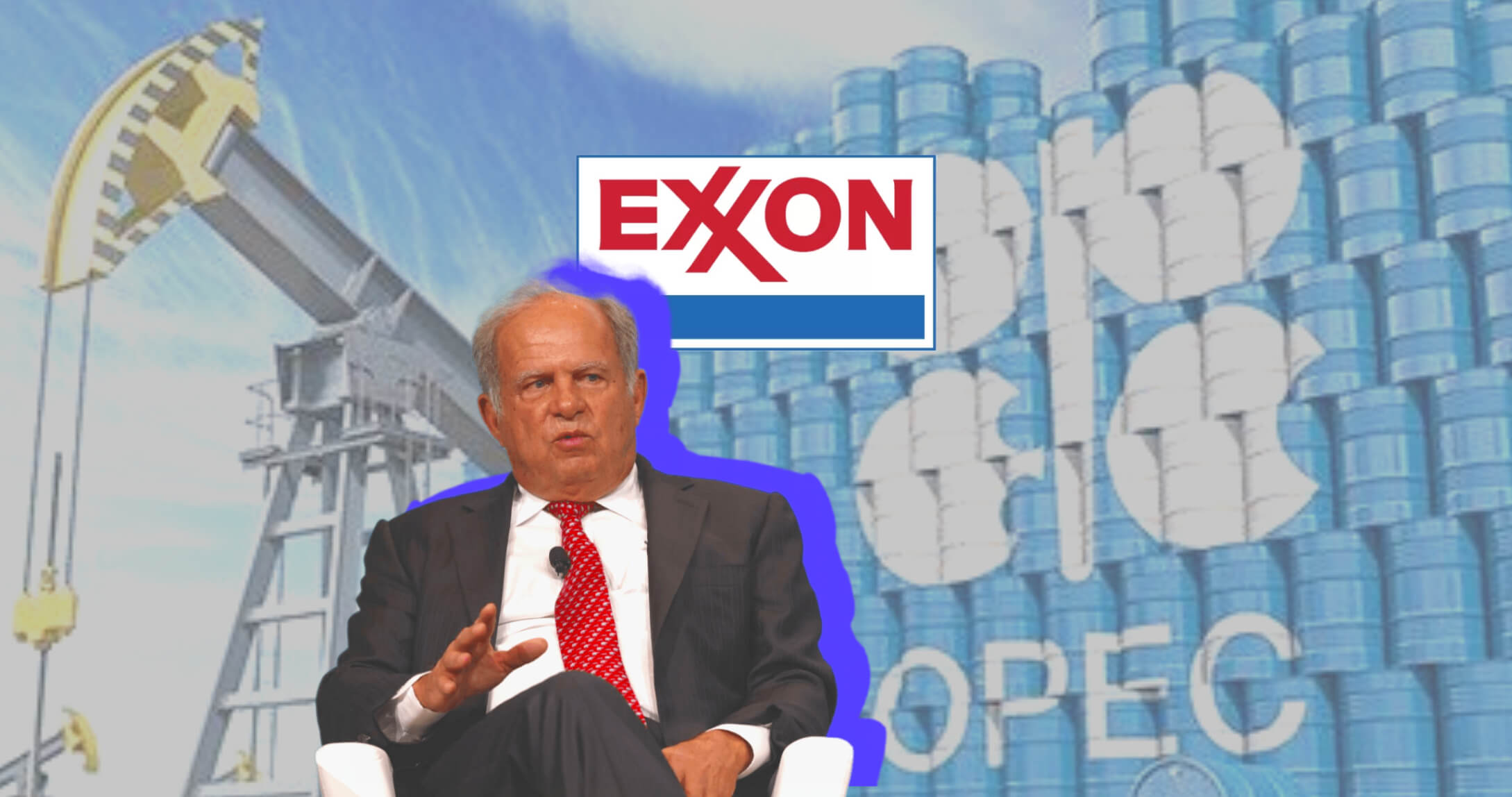
Scott Sheffield, the former CEO of Pioneer Natural Resources, has come under fire from the Federal Trade Commission (FTC) for alleged attempts to manipulate oil production levels in collaboration with OPEC and OPEC+. According to the FTC, Sheffield engaged in numerous communications, including WhatsApp chats and in-person discussions, aimed at aligning oil production in Texas' Permian Basin with that of OPEC's strategies. These alleged actions were purportedly intended to enhance the profitability of Pioneer and its counterparts at the cost of the general American public, breaching the principles of a free market economy where production is determined by market forces rather than coordinated efforts.
Financial and Operational Impacts on Pioneer Natural Resources
Following these allegations, the FTC has conditionally approved the sale of Pioneer to ExxonMobil for a staggering $60 billion, with specific stipulations preventing Sheffield from assuming any advisory or board roles within Exxon. This move underscores the severity of the regulatory concerns regarding Sheffield's past activities and their potential continuation. Despite the allegations, both Pioneer and Sheffield have opted not to contest the FTC's directives, signaling a potential acknowledgment of the complexities involved in disputing such high-stake regulatory claims.
Market Response and Industry Implications
The energy sector has watched closely as these events unfold, given their significant implications for market dynamics and corporate governance. The allegations against Sheffield and the subsequent merger conditions set by the FTC reflect a broader regulatory crackdown on anticompetitive practices within the industry. This situation also highlights the delicate balance companies must maintain when navigating global oil politics and U.S. regulatory expectations.
Market Manipulation Accusations: A Dive into Sheffield's OPEC Interactions
Scott Sheffield, the former CEO of Pioneer Natural Resources, has come under fire from the Federal Trade Commission (FTC) for alleged attempts to manipulate oil production levels in collaboration with OPEC and OPEC+. According to the FTC, Sheffield engaged in numerous communications, including WhatsApp chats and in-person discussions, aimed at aligning oil production in Texas' Permian Basin with that of OPEC's strategies. These alleged actions were purportedly intended to enhance the profitability of Pioneer and its counterparts at the cost of the general American public, breaching the principles of a free market economy where production is determined by market forces rather than coordinated efforts.
Financial and Operational Impacts on Pioneer Natural Resources
Following these allegations, the FTC has conditionally approved the sale of Pioneer to ExxonMobil for a staggering $60 billion, with specific stipulations preventing Sheffield from assuming any advisory or board roles within Exxon. This move underscores the severity of the regulatory concerns regarding Sheffield's past activities and their potential continuation. Despite the allegations, both Pioneer and Sheffield have opted not to contest the FTC's directives, signaling a potential acknowledgment of the complexities involved in disputing such high-stake regulatory claims.
Market Response and Industry Implications
The energy sector has watched closely as these events unfold, given their significant implications for market dynamics and corporate governance. The allegations against Sheffield and the subsequent merger conditions set by the FTC reflect a broader regulatory crackdown on anticompetitive practices within the industry. This situation also highlights the delicate balance companies must maintain when navigating global oil politics and U.S. regulatory expectations.
Read More
-
Yen Stalls at 160 Despite a 3% JGB and Tokyo Core CPI at 2.0% — Intervention Sits at 164, Friday's Payrolls Decide
02.09.2026 · TradingNEWS ArchiveEnergy
-
Dell Rebounds to $565.86 as a $95 Billion AI Backlog Meets 22x Forward Earnings — $595 High in Sight
25.09.2026 · TradingNEWS ArchiveStocks
-
XRP-USD ($1.53) Outperforms as ETF Inflows Return, but August Buyers Guard $1.60 — $1.70 Upside vs. $1.25 Floor
25.09.2026 · TradingNEWS ArchiveCrypto
-
Brent Holds $105 While WTI Heads for a 7% Weekly Loss as a 3M-Barrel Build and a Diesel Ban Threat Split the Market
25.09.2026 · TradingNEWS ArchiveCommodities
-
S&P 500 Gains 0.22%, Nasdaq Tops 27,000, Dow Up 0.40% on MSFT Launch and AKAM Deal
25.09.2026 · TradingNEWS ArchiveMarkets
-
Sterling Slides to 1.3216 as a Divided Bank of England Trails the Fed — 1.3424 Upside vs. 1.3000 Risk
25.09.2026 · TradingNEWS ArchiveForex