Crude Collapses to Three-Month Lows as the US-Iran Deal Reopens Hormuz and the War Premium Unwinds
WTI dropped to $74.50 and Brent below $78 as tankers resumed transit through the Strait of Hormuz and banks slashed forecasts toward $80 Brent | That's TradingNEWS
Key Points
- WTI fell ~3% to ~$74.52 and Brent ~2.7% to ~$77.40, both at 3-month lows; crude is down ~38% from its April four-month high.
- The signed US-Iran deal reopened the Strait of Hormuz, with 12M+ barrels exiting; Saudi, UAE, and Iraqi output can now restart.
- Inventories stay tight (Cushing near 20M barrels) and the ceasefire is interim, creating upside risk against the bearish supply recovery.
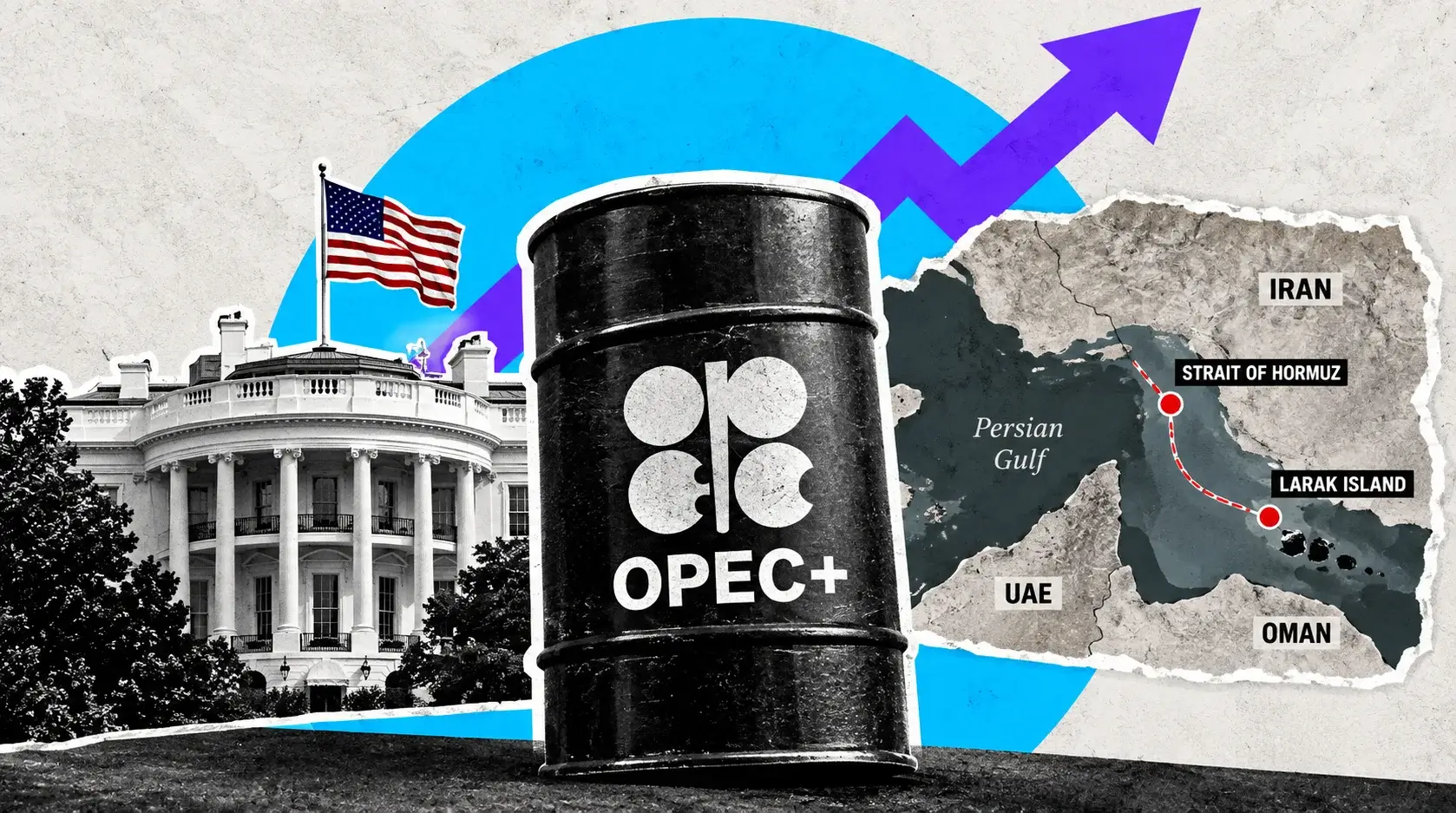
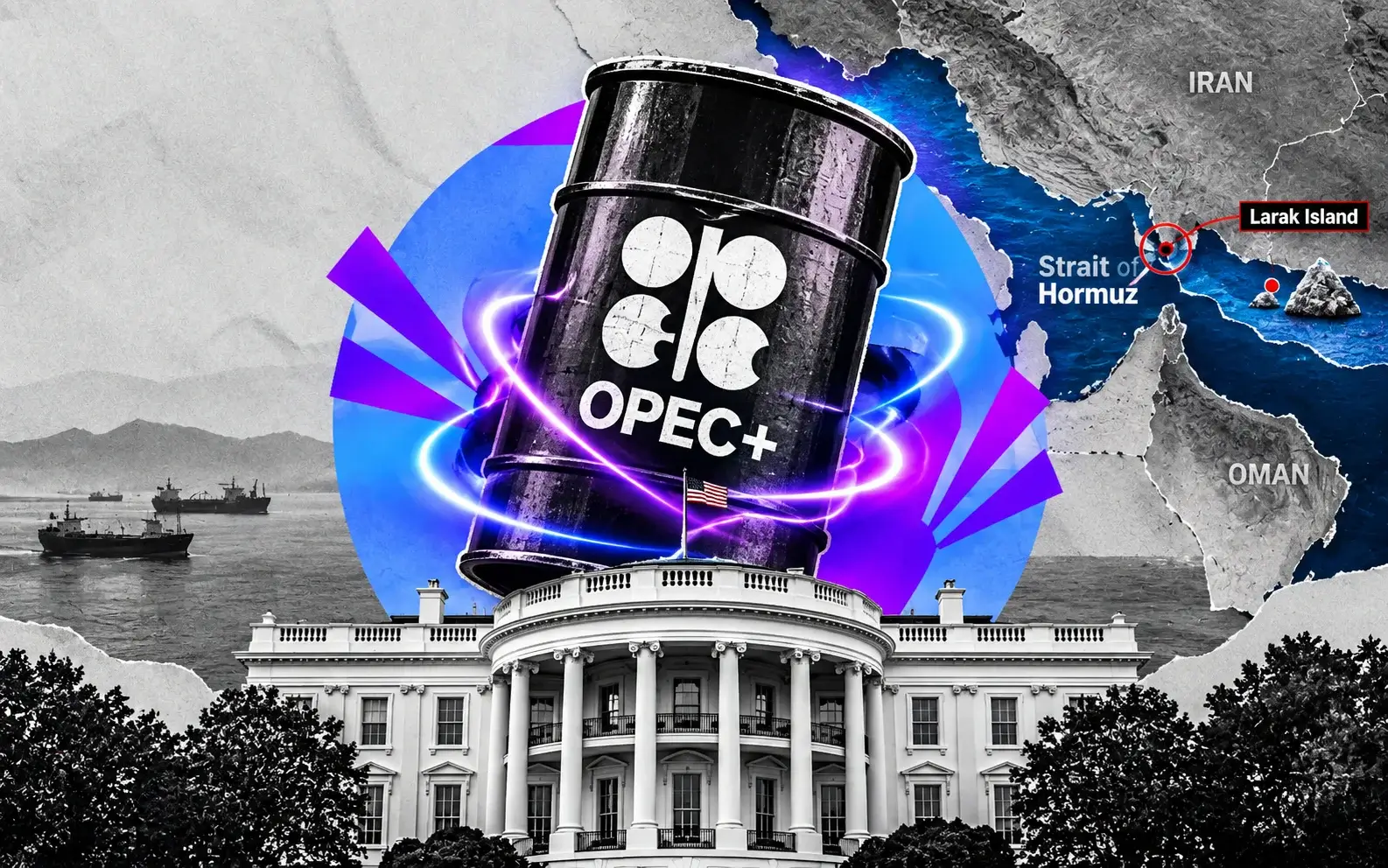
Crude oil extended its dramatic collapse Thursday, with West Texas Intermediate sinking nearly 3% to around $74.52 and Brent falling 2.7% to roughly $77.40, both benchmarks dropping to their lowest levels since early March. The catalyst was unambiguous: the signed US-Iran peace memorandum and the early reopening of the Strait of Hormuz are draining the enormous war premium that had inflated oil prices for months, unwinding one of the most violent supply shocks the market has ever experienced. With tankers once again moving through the world's most important oil chokepoint, the path of least resistance for crude points lower.
The scale of the reversal is staggering. Oil has fallen roughly 38% since reaching a four-month high in April, when the de facto closure of Hormuz following the February outbreak of the US-Iran conflict had choked off a massive share of global seaborne supply and driven Brent toward the highest levels since the 2022 energy crisis. The conflict shut in more than 11 million barrels per day of Middle East production at its peak, drained global inventories, and pushed prices into triple digits. Now, with a deal signed and ships crossing the strait again, the market is rapidly repricing toward a post-conflict reality where that supply comes flooding back.
Yet the picture is not as simple as a clean return to normal. Inventories remain critically tight after months of drawdowns, the physical recovery of Iranian and regional production could take far longer than the price action implies, and the ceasefire itself carries the risk of unraveling given the unresolved nuclear negotiations and President Trump's warnings that military action could resume. Crude enters the long holiday weekend — with US markets closed Friday for Juneteenth — caught between the powerful bearish force of a reopening Hormuz and the bullish counterweight of depleted stockpiles and a fragile peace. The question for traders is whether the supply that is set to return will overwhelm the tight inventory picture, or whether the slow pace of physical recovery will put a floor under prices before the glut materializes.
Where Crude Trades Now: WTI, Brent, and the 38% Collapse From the April Highs
The numbers frame the magnitude of the move. West Texas Intermediate traded near $74.52 on Thursday, down roughly 3% on the session, while Brent crude, the international benchmark, fell about 2.7% to around $77.40. Both contracts dropped to their lowest levels since early March, extending a decline that has accelerated sharply as the peace deal moved from rumor to reality over the course of the week. The spread between the two benchmarks has narrowed from the elevated levels seen during the height of the shipping disruptions.
The collapse from the highs tells the story of a market unwinding an extraordinary geopolitical premium. At the peak of the conflict, with Hormuz effectively closed and Middle East production shut in by more than 11 million barrels per day, Brent had surged toward the highest levels since the 2022 energy crisis, trading well into triple digits, while WTI climbed from below $60 at the start of the year to near $100. The four-month high reached in April marked the apex of the fear-driven rally. From there, as reports of a potential agreement surfaced and then materialized, oil has fallen roughly 38%, one of the swiftest major declines in the commodity's recent history.
The speed of the repricing reflects how much of crude's value had been tied to the war premium rather than to fundamental supply-demand balance. When a market prices in the loss of a massive share of global supply, the removal of that threat triggers a rapid adjustment, and that is precisely what has unfolded this week. The drop to three-month lows places oil at a critical juncture, since the price now sits below where it traded before the conflict's worst phase, raising the question of how much further it can fall as the returning supply is weighed against the tight inventory backdrop. The benchmarks are searching for a new equilibrium in a post-conflict world, and the path there is likely to be volatile as the market digests each development on the Hormuz reopening and the pace of production recovery.
The Deal That Broke the War Premium
The proximate cause of the collapse is the interim peace agreement that President Trump signed with his Iranian counterpart to end the conflict in the Middle East. The memorandum of understanding, which a US official confirmed has taken effect, extends a fragile ceasefire and lays out a framework to reopen the Strait of Hormuz and lift the US naval blockade. Under the terms, Iran is required to allow ships to transit the strait without paying tolls for a 60-day period, while the United States lifts its blockade, with the broader goal of reopening the waterway within 30 days and removing sanctions on Iranian oil exports.
The agreement represents a turning point after months of disruption. The conflict, which began with military action in late February, had caused what is described as the largest supply disruption on record, choking off the flow of oil through a chokepoint that handles a substantial share of the world's seaborne crude. The de facto closure of Hormuz, which surpassed three months in duration, forced producers across the Persian Gulf to shut in output as storage filled and ships could not move cargoes. The deal directly addresses that disruption by reopening the route and clearing the path for halted production to return.
The market's reaction has been to systematically strip out the geopolitical risk premium that had been embedded in the price. As the prospect of normalized flows through Hormuz becomes concrete, the supply fear that drove oil to its highs evaporates, and prices adjust toward a level reflecting the return of barrels rather than their absence. The deal is interim rather than final, with negotiations on Iran's nuclear program and other matters set to continue over the coming weeks, which leaves some residual uncertainty. But the signing and the early reopening of the strait have been enough to convince the market that the worst of the supply shock is over, and the result is the swift, deep decline that has carried crude to three-month lows.
Hormuz Reopens: 12 Million Barrels and Counting
The most tangible evidence of the de-escalation is the resumption of shipping traffic through the Strait of Hormuz. Administration officials reported that more than 12 million barrels of oil exited the strait, a high since the beginning of the conflict, and noted that Iran had refrained from firing on ships for consecutive nights, honoring its commitment under the deal. Several vessels, including Saudi oil tankers and ships carrying liquefied natural gas and fuel, have begun leaving the Gulf region, signaling that the physical reopening is underway rather than merely promised on paper.
The significance of these flows cannot be overstated given Hormuz's role in the global oil trade. Before the conflict, roughly 14 million barrels per day of crude oil and an additional 6 million barrels per day of refined products passed through the strait, making it the single most important transit point for the world's energy supply. The near-total closure of that route during the conflict removed an enormous quantity of supply from the market, and its reopening promises to restore those flows. Each tanker that transits the strait without incident reinforces the market's confidence that the deal is holding and that supply is genuinely returning.
The early resumption of traffic is the key reason oil has fallen so hard this week. The market had priced in a prolonged disruption, and the faster-than-expected reopening has caught many participants offside, forcing a rapid repricing. The 12 million barrels that exited the strait represent concrete proof that the chokepoint is clearing, and the absence of Iranian attacks on shipping suggests the ceasefire is functioning as intended for now. The risk that lingers is the durability of the arrangement, since the deal is interim and the 60-day window leaves room for relapse. But the physical evidence of reopening flows has been the decisive bearish catalyst, and as long as tankers continue to move through Hormuz unimpeded, the downward pressure on crude is likely to persist.
The Supply That Comes Back: Saudi Arabia, the UAE, and Iraq
The reopening of Hormuz unlocks the return of substantial halted production from the major Persian Gulf producers. A return to normal flows through the strait could allow Saudi Arabia, the United Arab Emirates, and Iraq to restart millions of barrels of output that had been shut in during the conflict, as storage constraints and the inability to ship cargoes forced producers to curtail production. The shut-in volumes during the conflict were enormous, averaging more than 11 million barrels per day at the peak, and the restoration of even a portion of that capacity would meaningfully increase global supply.
The mechanics of bringing this production back matter for the price trajectory. When the strait was closed, Gulf producers faced a choice between filling their storage or shutting in wells, and as storage reached its limits, additional shut-ins became necessary. Now that the route is reopening, those producers can begin to draw down storage, resume shipments, and restart curtailed production. The speed at which this happens will shape the pace of the supply recovery, with some output capable of returning relatively quickly while other production may require more time to restore. The major Gulf producers have strong incentives to ramp back up to capture revenue after months of constrained output.
The return of this supply is the fundamental force behind the bearish repricing. The market is anticipating that the millions of barrels per day that were removed during the conflict will flow back as Hormuz reopens, shifting the supply-demand balance from acute scarcity toward potential surplus. This is why prices have fallen below pre-conflict levels rather than merely retracing the war premium, as the market looks ahead to a period of recovering supply. The key uncertainty is the timing: if production returns quickly, the bearish pressure intensifies, but if the physical recovery proves slower than the price action implies, the tight inventory picture could provide support. The balance between returning supply and depleted stockpiles is the central tension in the oil outlook, and the pace of the Gulf producers' restart will be a critical variable to monitor.
How Fast Can Production Recover?
A crucial nuance in the oil outlook is the gap between the speed of the price decline and the likely pace of the physical supply recovery. While prices have collapsed on the expectation of returning barrels, industry officials have cautioned that a full recovery in Iranian production and refining capacity could take weeks, months, or even years. The infrastructure damage, the need for mine clearance operations in and around the strait, and the time required to restart complex production and refining systems all argue for a gradual rather than instantaneous recovery.
Official forecasts have built in this slow recovery. Energy analysts assume that flows through Hormuz will resume gradually, with shipping traffic taking time to ramp back up to pre-conflict levels and production and trade patterns not returning to normal until well into the following year. Some producers around the Persian Gulf may not be able to restore output to pre-conflict levels for an extended period, given the duration of the shut-ins and the technical challenges of restarting curtailed production. Banks have offered varying estimates, with some expecting tanker traffic to recover fully within weeks while others anticipate a more protracted timeline.
This gap between price and physical reality is a key reason the market could see volatility and potential support at lower levels. If the recovery proves slower than the bearish price action implies, the tight inventory situation would persist longer, providing a floor under prices and potentially triggering rebounds when the market recognizes that the supply is not returning as quickly as feared. Conversely, if the recovery is swift, the bearish case strengthens. The speed of the Iranian and regional production restart is therefore one of the most important variables for the price outlook, and the market will be closely watching data on tanker flows, production levels, and refining activity to gauge whether the recovery is matching, exceeding, or falling short of expectations. The slow-recovery scenario is the primary counterweight to the bearish reopening narrative.
The Inventory Picture: Cushing, OECD Stocks, and the Drawdown
Beneath the bearish reopening story lies a critically tight inventory picture that complicates the outlook. Months of supply disruption forced enormous drawdowns of global oil stockpiles, leaving inventories at depleted levels that will need to be replenished. Crude stocks at Cushing, the largest US storage hub and the delivery point for WTI futures, have fallen to around 20 million barrels, a low level that reflects the strain the conflict placed on supply. US crude inventories declined by more than 8 million barrels in a single recent week, underscoring the ongoing draw on stockpiles.
The global picture is even more striking. Analysts expect developed-economy inventories to fall to roughly 50 days of supply by the end of the year, which would be the fewest days of demand cover in more than two decades. Global inventories drew down at a rapid pace during the second quarter as limited shipping traffic through Hormuz forced the market to meet demand from storage rather than fresh supply. The drawdown was severe enough that inventories are not expected to return to pre-conflict levels for an extended period, even as flows resume.
This tight inventory backdrop is the bullish counterweight to the bearish reopening narrative. Depleted stockpiles mean that the returning supply will first need to replenish inventories before it can create a genuine surplus, which could support prices during the transition. A market with razor-thin inventory cover is vulnerable to price spikes on any disruption to the recovery, and the need to rebuild stocks creates underlying demand for the returning barrels. The tension between the bearish flow of returning supply and the bullish reality of depleted inventories is the defining feature of the current oil market. While the reopening of Hormuz has driven prices sharply lower, the tight inventory picture suggests the decline may not be linear, and that support could emerge as the market recognizes the scale of the restocking that lies ahead before any true glut can develop.
The IEA's Glut Warning and OPEC's Pushback
Adding to the bearish narrative is a warning from the International Energy Agency about a potential supply surplus on the horizon. In its outlook, the agency projected that global oil supply could rise substantially over the coming years while demand grows much more slowly, creating a significant oversupply. The warning reflects the expectation that as Hormuz reopens and Gulf producers restart their halted output, the return of supply could outpace the recovery in demand, tipping the market into surplus and pressuring prices.
The supply-demand math underlying the glut warning is consequential. The projection of supply growth far exceeding demand growth implies a market moving from the acute scarcity of the conflict period toward an environment of plenty, a dramatic shift that would weigh heavily on prices if it materializes. The demand side has been weakened by the conflict itself, with the high prices and economic disruption having reduced consumption, particularly in Asia, which depends heavily on Middle East supply. If demand remains soft while supply surges back, the conditions for a glut would be in place.
Not everyone accepts the glut thesis, however. The leadership of the major producer group has pushed back against the oversupply forecast, and there are nuances suggesting the surplus warning may be tempered by the slow pace of the supply recovery and the depleted inventory picture. The disagreement between forecasters who see a looming glut and those who emphasize the tight inventory situation and the gradual recovery captures the genuine uncertainty in the market. The glut warning is a bearish factor that has contributed to the price decline, but its realization depends on the supply returning faster than demand recovers, which is far from certain given the slow physical recovery and the need to rebuild inventories. The debate over whether a surplus is imminent or whether tight stocks will provide support is central to the price outlook, and the resolution will shape crude's trajectory through the back half of the year.
Banks Slash Their Forecasts
The speed of the de-escalation has prompted a wave of forecast revisions from major financial institutions, all pointing in the same direction: lower. Investment banks that had built elevated price assumptions around a prolonged Hormuz closure have moved quickly to cut their projections following the peace breakthrough. The revisions reflect the market's reassessment of the supply outlook, as the return of Gulf production and the reopening of the strait remove the scarcity premium that had justified higher price forecasts.
The new forecasts cluster around levels well below the conflict-era highs. Major banks now see Brent crude averaging around $80 per barrel in the fourth quarter, down from prior estimates near $90 or higher, with some trimming their longer-term projections for the following year as well. The expectation embedded in these revisions is that tanker traffic through Hormuz will recover within a matter of weeks to months, restoring supply and easing the tightness that had supported prices. The downward revisions represent a significant repricing of the entire forward curve, not just the spot market.
The forecast cuts illustrate how rapidly the narrative has shifted. Just weeks earlier, official energy forecasters had been raising their price projections sharply on the assumption that Hormuz would remain effectively closed, with some projecting Brent to average well above $90 or even near $105 for the summer months. Those assumptions have been overtaken by events, as the peace deal materialized faster than many had anticipated. The rapid reversal from raising forecasts to slashing them underscores the binary nature of the geopolitical situation: the price outlook hinged almost entirely on whether the conflict would end, and now that it has, the entire forward curve has reset lower. The bank revisions reinforce the bearish near-term bias, though they also acknowledge the risks that remain around the durability of the deal and the pace of the supply recovery.
The Trump Wildcard: A Ceasefire That Isn't Final
A significant source of two-way risk in the oil market is the fragility of the agreement itself and the unpredictability of the political dynamics surrounding it. President Trump has cautioned that the memorandum is not final, warning that military action could resume if Iran fails to honor its commitments, language that injects uncertainty into what might otherwise appear to be a clean resolution. The deal extends the ceasefire by 60 days and is intended to pave the way toward a lasting truce, but the unresolved nuclear negotiations and the conditional nature of the arrangement leave room for relapse.
The market has already seen how sensitive prices are to this uncertainty. Earlier in the week, crude jumped more than 1.5% after the president's warning that bombing could resume, demonstrating that the war premium has not been entirely eliminated and can quickly reassert itself on any sign of escalation. The interim nature of the deal means that the 60-day window is a period of heightened headline risk, during which any breakdown in negotiations or renewed hostilities could send prices sharply higher as the supply fear returns.
This wildcard is the primary upside risk to the bearish oil narrative. While the reopening of Hormuz and the return of supply argue for lower prices, the possibility that the ceasefire collapses and the conflict reignites would reverse much of the recent decline. Traders must weigh the bearish fundamentals against this geopolitical tail risk, which is difficult to quantify and dependent on the unpredictable dynamics of the negotiations. The conditional, interim character of the agreement means the oil market will remain sensitive to every headline on the US-Iran relationship over the coming weeks, and the price could swing violently on news of either progress toward a permanent deal or signs of breakdown. The Trump wildcard ensures that the path lower, while the base case, is unlikely to be smooth, and that sharp counter-trend rallies on geopolitical headlines remain a live possibility.
Read More
-
Yen Stalls at 160 Despite a 3% JGB and Tokyo Core CPI at 2.0% — Intervention Sits at 164, Friday's Payrolls Decide
02.09.2026 · TradingNEWS ArchiveEnergy
-
Dell Rebounds to $565.86 as a $95 Billion AI Backlog Meets 22x Forward Earnings — $595 High in Sight
25.09.2026 · TradingNEWS ArchiveStocks
-
XRP-USD ($1.53) Outperforms as ETF Inflows Return, but August Buyers Guard $1.60 — $1.70 Upside vs. $1.25 Floor
25.09.2026 · TradingNEWS ArchiveCrypto
-
Brent Holds $105 While WTI Heads for a 7% Weekly Loss as a 3M-Barrel Build and a Diesel Ban Threat Split the Market
25.09.2026 · TradingNEWS ArchiveCommodities
-
S&P 500 Gains 0.22%, Nasdaq Tops 27,000, Dow Up 0.40% on MSFT Launch and AKAM Deal
25.09.2026 · TradingNEWS ArchiveMarkets
-
Sterling Slides to 1.3216 as a Divided Bank of England Trails the Fed — 1.3424 Upside vs. 1.3000 Risk
25.09.2026 · TradingNEWS ArchiveForex
The Macro Layer: A Hawkish Fed and the Demand Question
Beyond the supply dynamics, the macro environment adds another layer to the oil outlook, with implications that cut in different directions. The hawkish Federal Reserve, which signaled potential rate hikes at its recent meeting, raises questions about the demand side of the equation. Higher interest rates and a stronger dollar tend to weigh on commodity demand and on the broader economic activity that drives oil consumption, a bearish factor for crude beyond the supply story.
The demand picture has already been weakened by the conflict itself. The elevated prices during the disruption reduced consumption, particularly in Asia, which relies heavily on Middle East supply, and analysts have revised down their global demand expectations as a result. The combination of conflict-induced demand destruction and the potential for a hawkish Fed to dampen economic activity creates a softer demand backdrop that compounds the bearish supply narrative. If demand remains weak while supply surges back, the conditions for a price decline and potential surplus strengthen.
There is a counterpoint, however, in the way cheaper oil interacts with the broader macro picture. The collapse in oil prices is itself disinflationary, easing the energy-driven inflation that had pushed the Fed toward its hawkish stance. If the oil decline feeds through to cooler inflation readings, it could eventually soften the Fed's posture, support economic activity, and thereby underpin oil demand over time. The relationship is circular: lower oil eases inflation, which could moderate the Fed, which could support demand, which could in turn support oil. In the near term, though, the macro layer leans bearish for crude, with the demand question and the strong dollar adding to the downward pressure from the returning supply. The interplay between the supply recovery, the demand outlook, and the Fed's path will shape oil's trajectory, and the upcoming inflation data will be important for gauging how the macro picture evolves.
Technical Picture: Support at $74, the Road Below
The chart frames the immediate technical battle for crude. With WTI trading near $74.52, the market is testing support in the $74 area, having broken below the levels that had contained it during the conflict. A decisive break below this zone would expose lower support levels that have not been seriously tested since before the worst of the supply shock, opening the door to a continued decline toward the pre-conflict ranges. The three-month low marks a significant technical breakdown, shifting the structure decisively lower after the war-driven rally.
To the upside, resistance now sits at levels the market has recently surrendered. The $77 area, near where Brent is trading and where WTI found resistance, represents the first hurdle, followed by the $80 level that had marked an important threshold during the decline. A move back above these levels would require a catalyst, most likely a geopolitical development that revives the supply premium, such as a breakdown in the ceasefire. Absent such a trigger, the technical bias points lower, with the returning supply and the bearish forecasts weighing on the price.
The momentum picture reflects a market in a strong downtrend, with the rapid decline from the April highs having pushed crude well below its key moving averages, which now act as overhead resistance. The speed of the drop has been extreme, which can sometimes lead to short-term oversold bounces, but the underlying trend is firmly bearish given the fundamental shift. The technical setup is one of a commodity that has broken down from a geopolitical premium and is searching for a new floor, with the $74 support and the lower pre-conflict levels as the key downside markers. The tight inventory picture and the slow-recovery scenario provide fundamental reasons why the decline might find support, but the technical momentum and the returning supply argue for further downside in the absence of a geopolitical shock. The market is likely to remain volatile as it tests these levels and digests each development on the Hormuz reopening.
Energy Equities and the Sector Read-Through
The collapse in crude prices has significant implications for the energy sector, where the fortunes of producers, refiners, and service companies are tied to the oil price. Energy equities, which had benefited from the elevated prices during the conflict, face pressure as crude falls, since lower oil prices compress the margins and cash flows of producers. The energy sector's performance tends to track the oil price closely, and the sharp decline in crude weighs on the outlook for the major integrated oil companies and the exploration and production firms most leveraged to the commodity.
The picture is nuanced across the energy value chain, however. While producers face margin pressure from lower crude prices, some segments of the industry continue to invest and position for the future. Reports of major producers doubling buyback programs and betting on higher long-term oil and gas demand, along with deal-making activity in the sector, suggest that some industry players view the current weakness as a transitory phase tied to the geopolitical resolution rather than a structural decline. The midstream and downstream segments, which are less directly exposed to the crude price, may fare differently than the upstream producers.
The sector read-through also connects to the broader market dynamics. On a day when the equity market rallied on the risk-on impulse from the peace deal, energy stocks faced the cross-current of lower oil prices pressuring their earnings outlook even as the broader market climbed. The relationship between the oil price and energy equities means that the trajectory of crude will be a key driver of the sector's performance, with continued declines pressuring the producers most exposed to the commodity. Investors in the energy space face the same central question as oil traders: whether the supply recovery will overwhelm the tight inventory picture and keep prices low, or whether the slow physical recovery and geopolitical risks will provide support. The sector's performance will hinge on how that supply-demand balance resolves and on whether the bearish forecasts or the tight-inventory bulls prove correct.
The Inflation Connection: Why Cheaper Oil Matters Beyond Energy
The collapse in oil prices carries implications that extend far beyond the energy sector, touching the broader economy and monetary policy through the inflation channel. Energy is a major input to headline inflation, both directly through fuel prices and indirectly through the transportation and production costs that ripple across the economy. The sharp decline in crude is therefore a powerful disinflationary force, one that could ease the price pressures that had pushed inflation higher during the conflict and that drove the Fed toward its hawkish stance.
The inflation connection is particularly significant given the current macro backdrop. The energy spike during the conflict had pushed inflation to elevated levels, removing the Fed's room to cut rates and ultimately driving the hawkish projections that have rattled markets. If the oil decline feeds through to cooler inflation readings, it would undercut the case for the rate hikes the Fed has signaled, potentially softening the hawkish stance that has pressured risk assets. Cheaper oil thus acts as a release valve on inflation, with implications for the entire macro picture.
This is why the oil decline matters for assets well beyond crude itself. The disinflationary impulse from falling energy prices could eventually ease the rate pressure that has weighed on equities, bonds, and other assets, creating a positive feedback loop for risk sentiment if the inflation data confirms the cooling. The relationship runs through the Fed's preferred inflation gauge, the personal consumption expenditures index, where the energy decline should eventually register. A cooler inflation print, aided by the oil drop, would strengthen the case that the inflation scare is easing and could shift the macro narrative in a more favorable direction. The oil collapse is therefore not just an energy story but a macro story, with the potential to reshape the inflation outlook and, by extension, the path of monetary policy and the broader market. This connection adds importance to the trajectory of crude prices in the weeks ahead.
Oil Price Forecast: Scenarios for the Days and Weeks Ahead
Synthesizing the drivers produces a forecast built around competing scenarios, given the unusual tension between the bearish supply recovery and the bullish inventory picture. In the bearish case, the Hormuz reopening proceeds smoothly, Gulf producers restart their halted output quickly, the IEA's glut warning begins to materialize as supply outpaces the weak demand, and the ceasefire holds. That path would push crude lower toward the pre-conflict ranges, with WTI potentially testing levels well below $74 and Brent falling further as the war premium is fully eliminated and the market anticipates a surplus.
In the bullish case, the physical recovery proves slower than the price action implies, the depleted inventories require substantial restocking before any glut can develop, the ceasefire shows signs of strain or breaks down entirely, and the tight supply situation reasserts itself. That path would see crude find support at current levels or rebound, potentially sharply if the geopolitical situation deteriorates and the supply fear returns. The Trump wildcard, with its warnings that military action could resume, is the primary trigger for this scenario, and any renewed conflict would reverse much of the recent decline.
The base case sits between these poles: continued downward pressure on crude as the Hormuz reopening dominates, but with significant volatility and potential support emerging from the tight inventory picture and the slow physical recovery. With US markets closed Friday for the holiday, thinner liquidity could exaggerate moves over the long weekend, and any geopolitical headline could trigger sharp swings. The defining tension remains the clash between the returning supply that argues for lower prices and the depleted inventories and fragile peace that argue for support. Until the market sees how quickly supply actually returns and whether the ceasefire holds, crude is likely to trade with a bearish bias but with the constant risk of sharp counter-trend rallies on geopolitical developments, making it a treacherous market for directional positioning.
What to Watch Next
The catalysts that will determine oil's direction are now clustered in the days and weeks ahead. The pace of the Hormuz reopening stands as the single most important variable, with the volume of tanker traffic through the strait and the absence of any incidents serving as the key gauges of whether the supply recovery is proceeding as the bearish case assumes. Data on Gulf producer output, particularly from Saudi Arabia, the UAE, and Iraq, will reveal how quickly the halted production is returning.
The durability of the ceasefire is the critical upside risk to monitor. Any sign of strain in the US-Iran negotiations, renewed hostilities, or a breakdown in the 60-day arrangement would revive the war premium and send prices sharply higher, making the geopolitical headlines the most important swing factor for the market. Traders should also watch the inventory data, since the pace of restocking will indicate whether the tight supply situation is easing or persisting, and the demand indicators, which will show whether consumption is recovering or remaining weak in the wake of the conflict.
Finally, the macro and inflation picture deserves attention given the connection between cheaper oil and the Fed's policy path. The upcoming inflation data will reveal how much the oil decline is feeding through to lower price pressures, with implications for the rate outlook and the broader market. Crude enters the holiday weekend at three-month lows, driven down by the reopening of Hormuz and the return of supply, but with the tight inventory picture, the slow physical recovery, and the fragile ceasefire providing potential support and significant two-way risk. The resolution will come from the pace of the supply recovery and the durability of the peace in the days ahead, and for now the prudent stance is to respect the bearish trend while remaining alert to the geopolitical tail risks that could reverse it sharply.